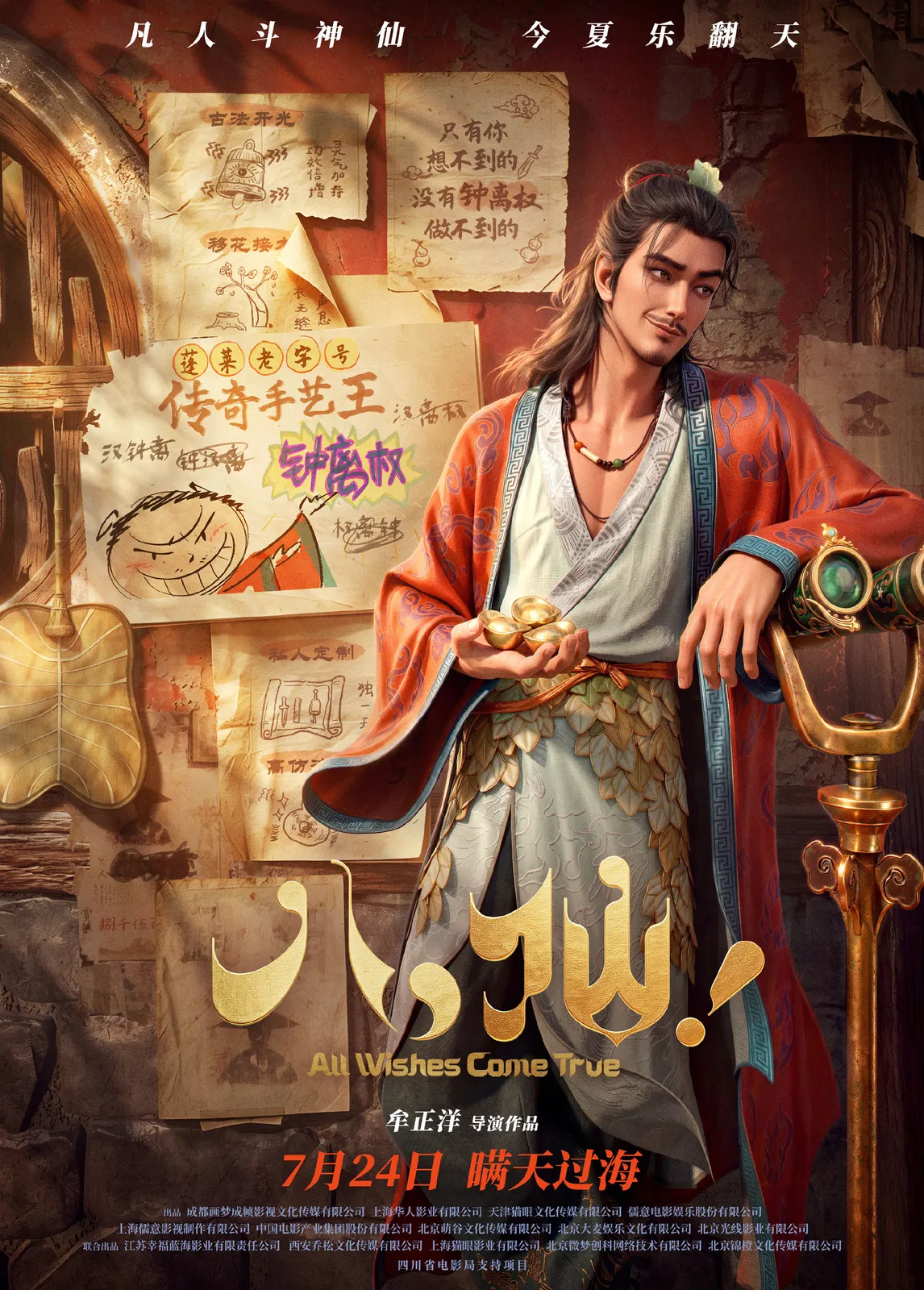
Public Zhongli Quan character poster from the Sina character image set.
Source: Sina News character poster set
Character profile
Premiere reports present Zhongli Quan as a roguish but sincere figure. Chen Hao also served as voice director, shaping the film's grounded, everyday vocal style.
Public Zhongli Quan character poster from the Sina character image set.
Source: Sina News character poster set
Movie stills
Official scene images that add more film atmosphere around Zhongli Quan / Han Zhongli.
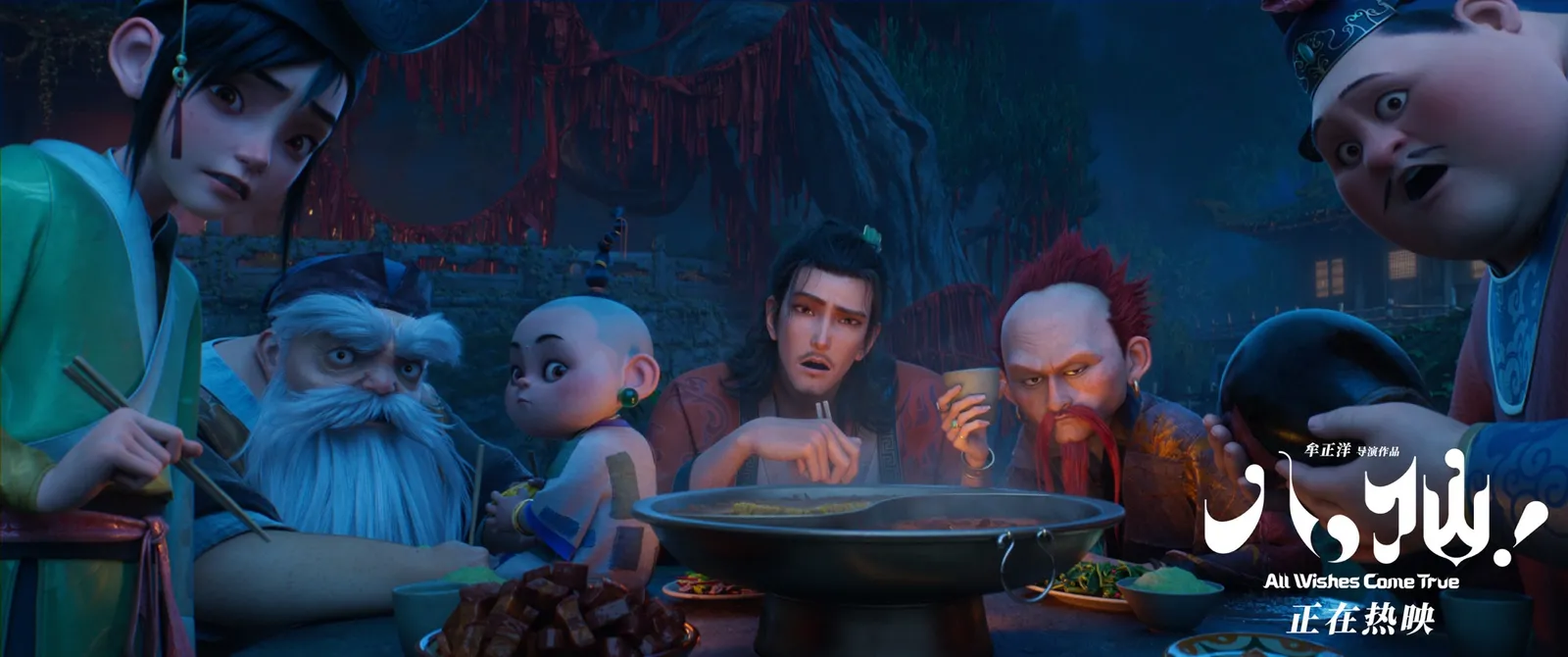

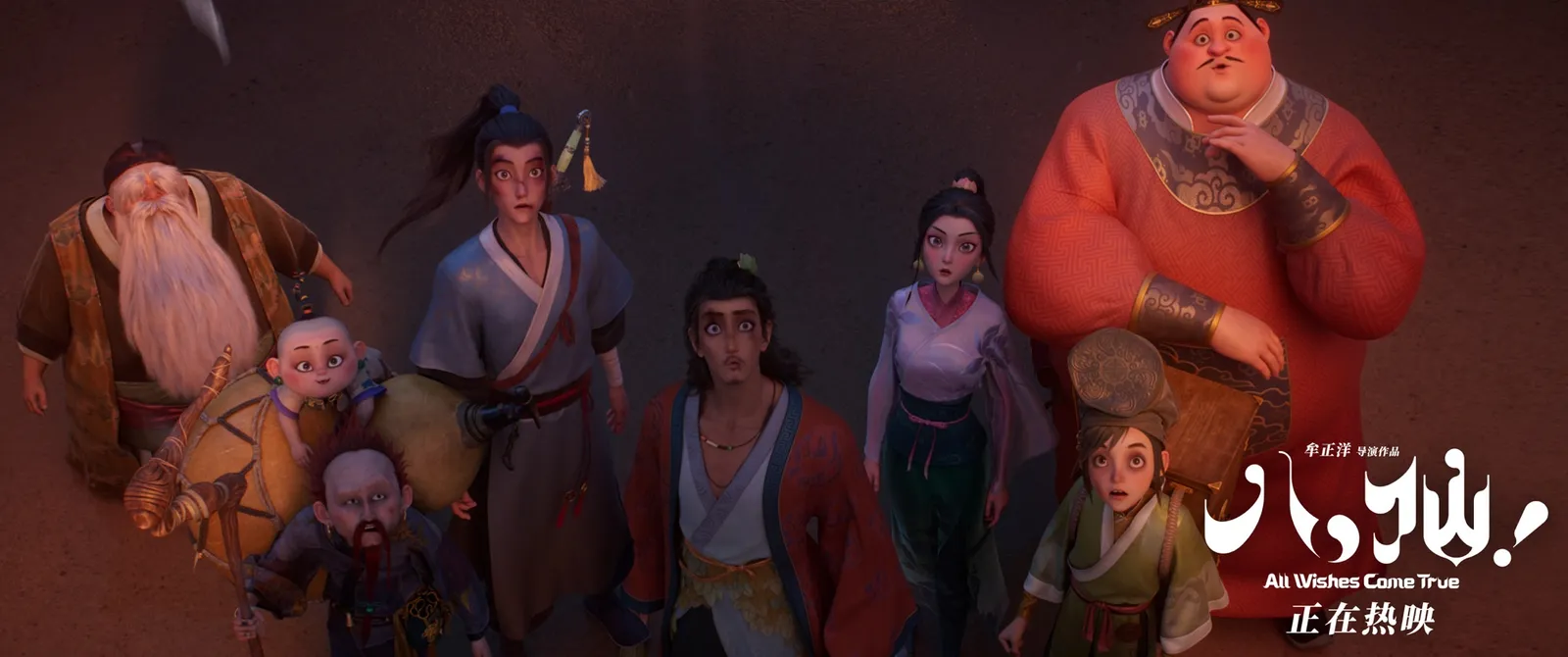
Han Zhongli, sometimes called Zhongli Quan, is commonly represented with a fan that can revive or transform. He is associated with prosperity, spiritual teaching, and a broad-hearted presence.
Zhongli Quan / Han Zhongli suggests generous, steady, optimistic, mentor-like energy in the older mythology.
You are the hearth of the group: calm, generous, and able to make a hard road feel possible. People trust your warmth because it comes with real steadiness.
Find your matchClassical art reference
Historical visual references from museum collections.
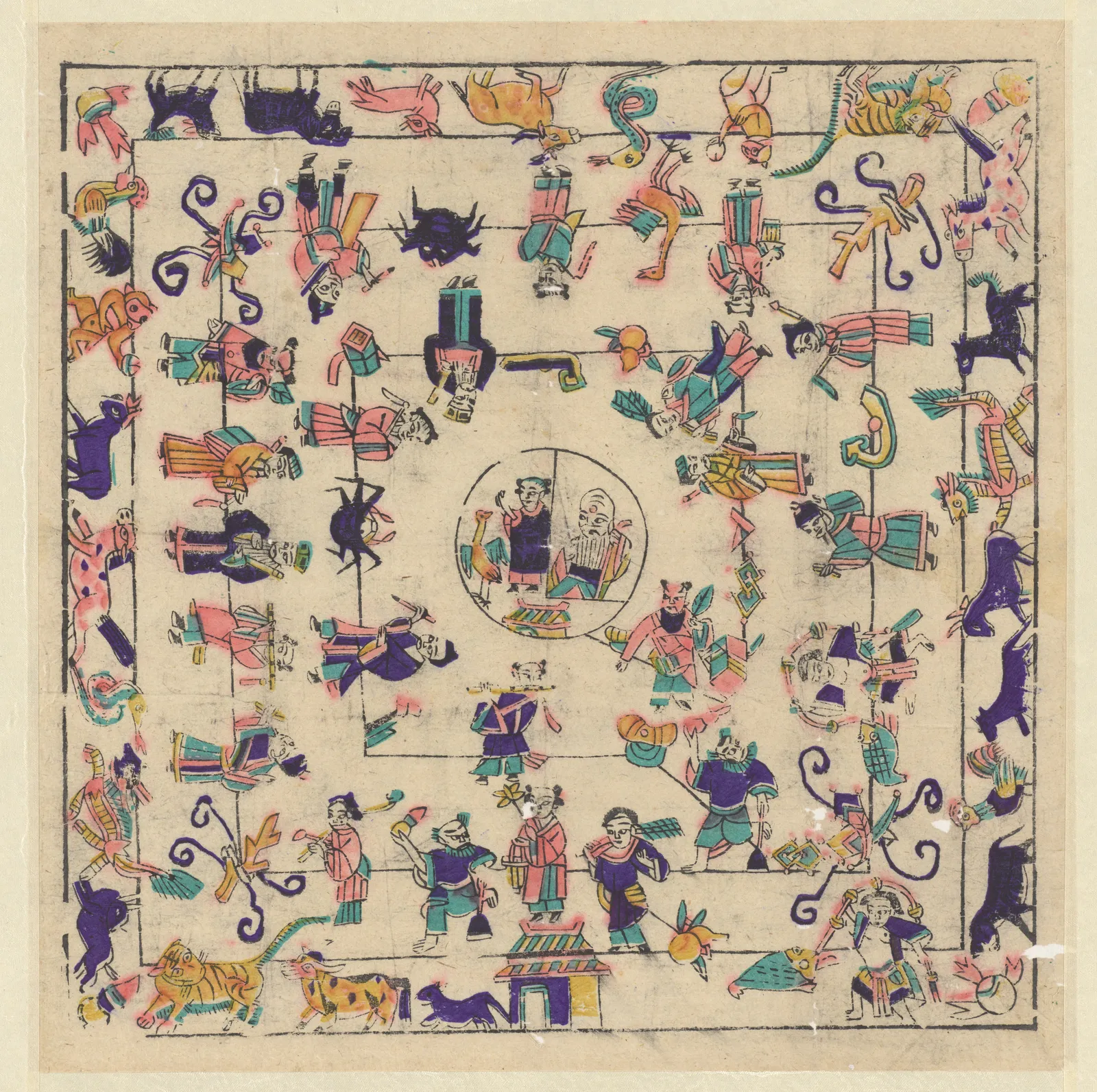
A strong overview image for showing how the Ba Xian group circulated through popular print culture.
China, Suzhou, 18th century · Woodblock print; ink and hand coloring on paper · Source: The Met
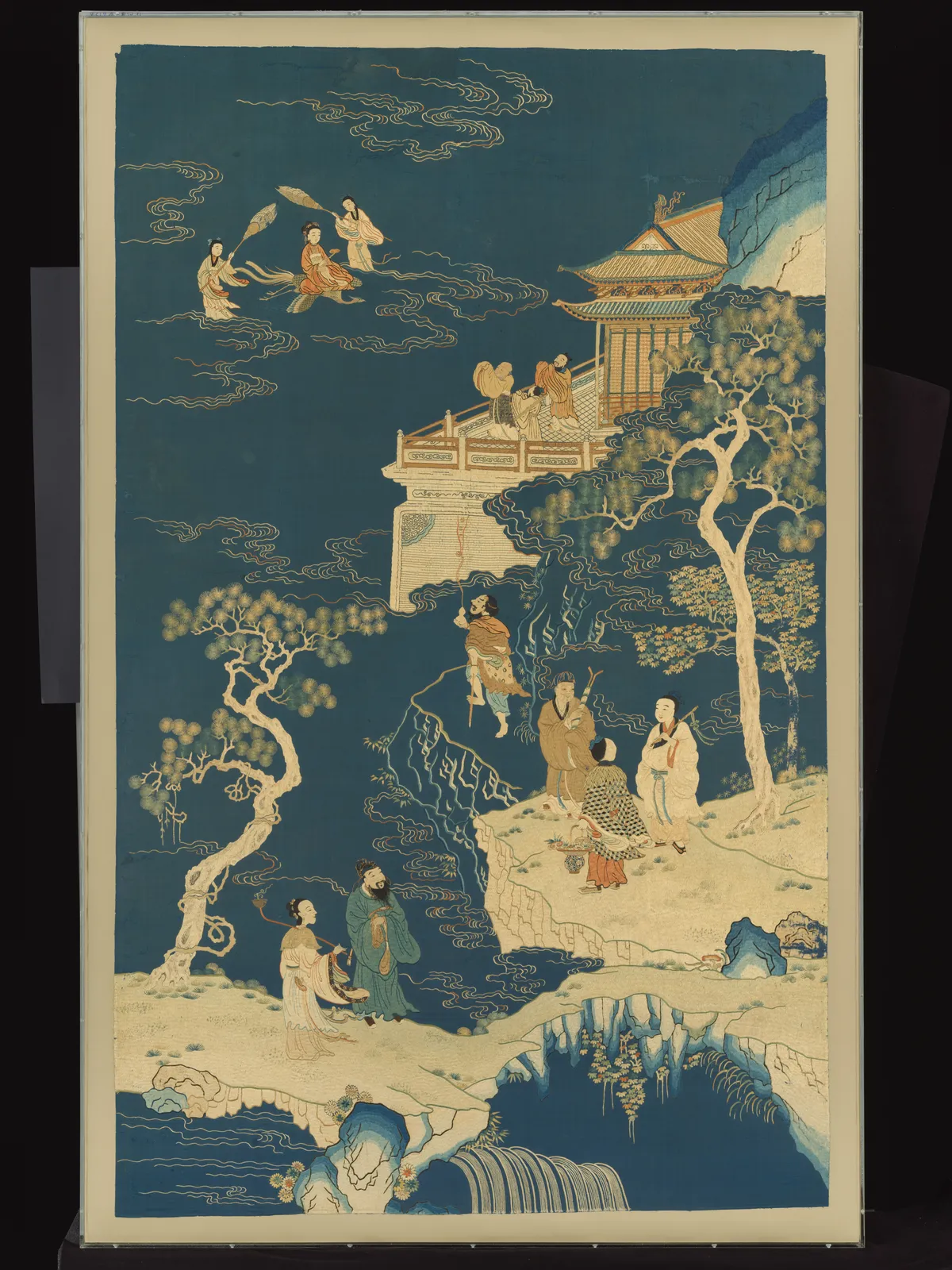
Useful as a classical-art anchor because it moves beyond porcelain into textile and courtly decorative language.
China, 18th century · Silk and metal thread embroidery on silk satin · Source: The Met
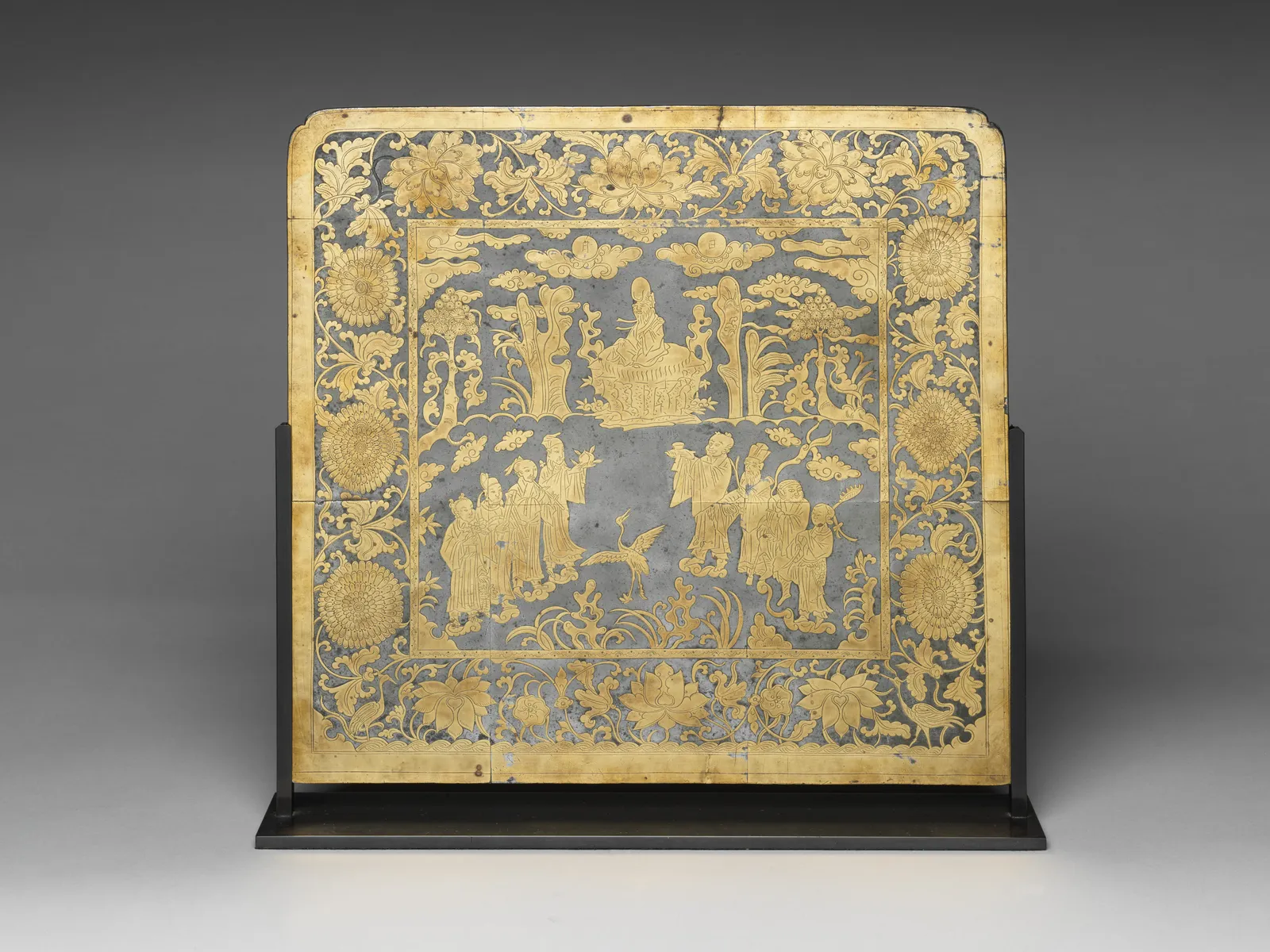
A compact decorative object that shows immortal imagery as part of scholar-table display culture.
China, 17th century · Pewter and brass · Source: The Met
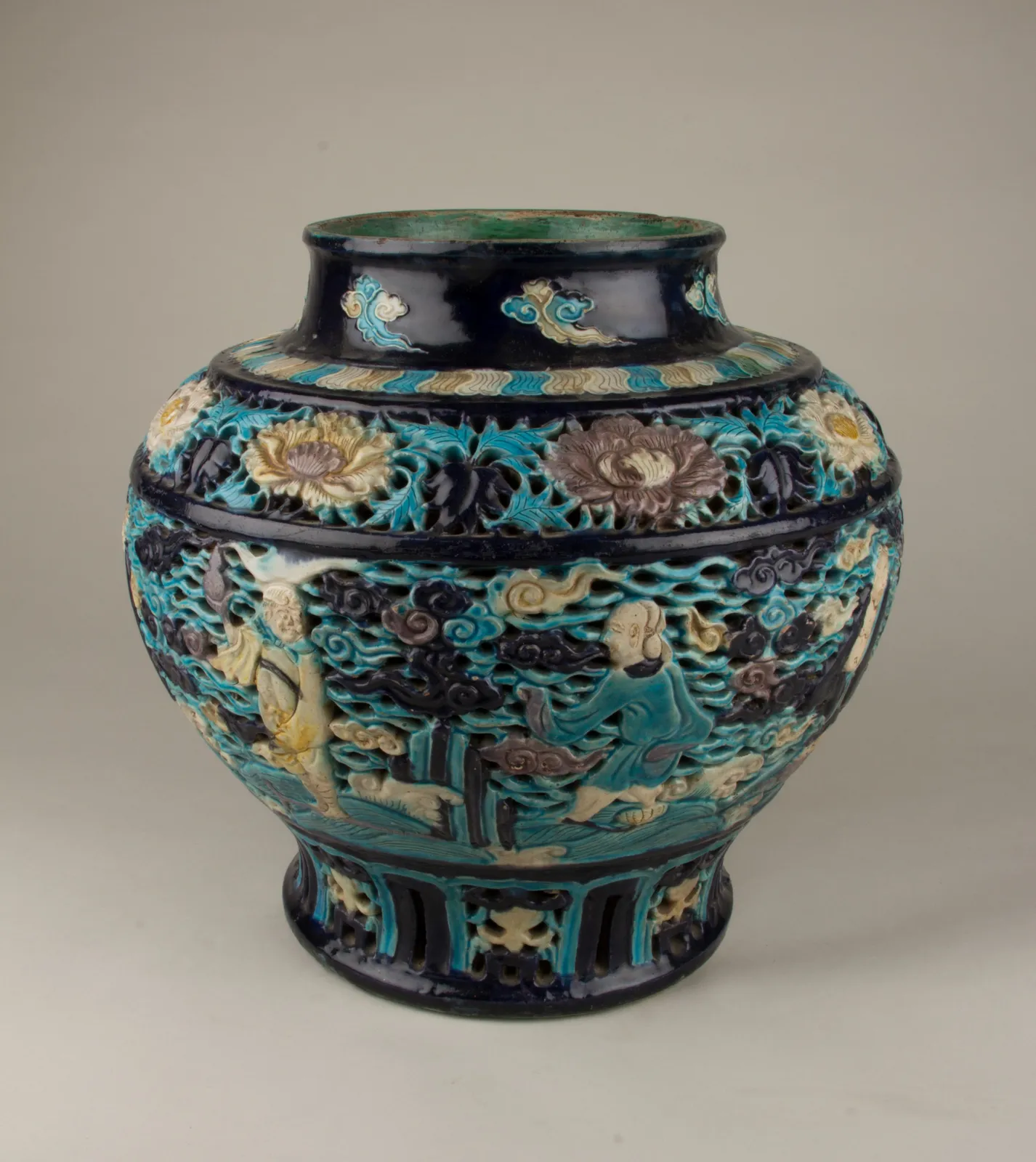
A vivid Ming-dynasty object for explaining how Eight Immortals imagery appears on ceramics.
China, 16th century · Fahua ware porcelain with relief decoration under colored glazes · Source: The Met
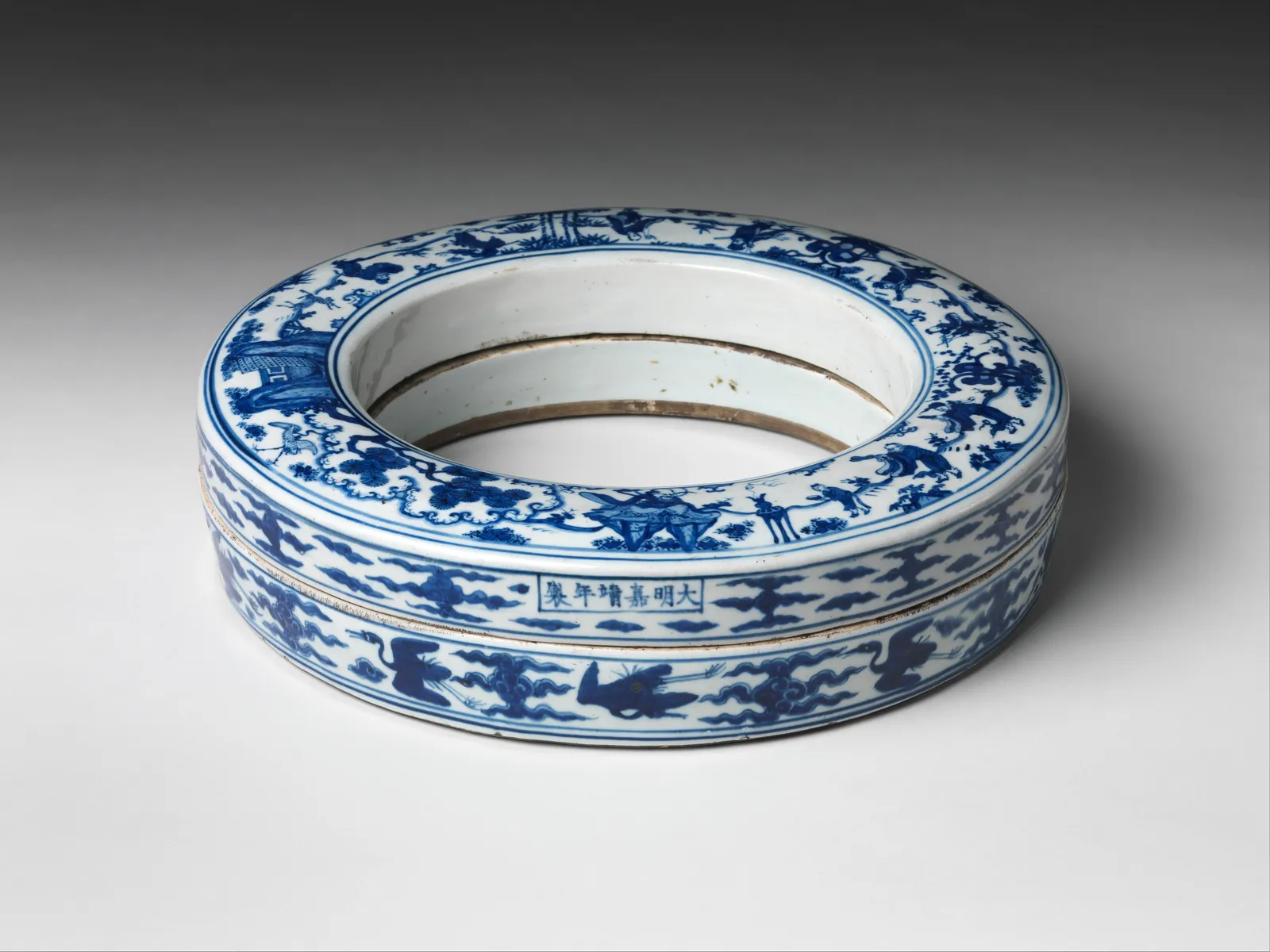
China, mid-16th century · Porcelain painted with cobalt blue under transparent glaze (Jingdezhen ware) · Source: The Met
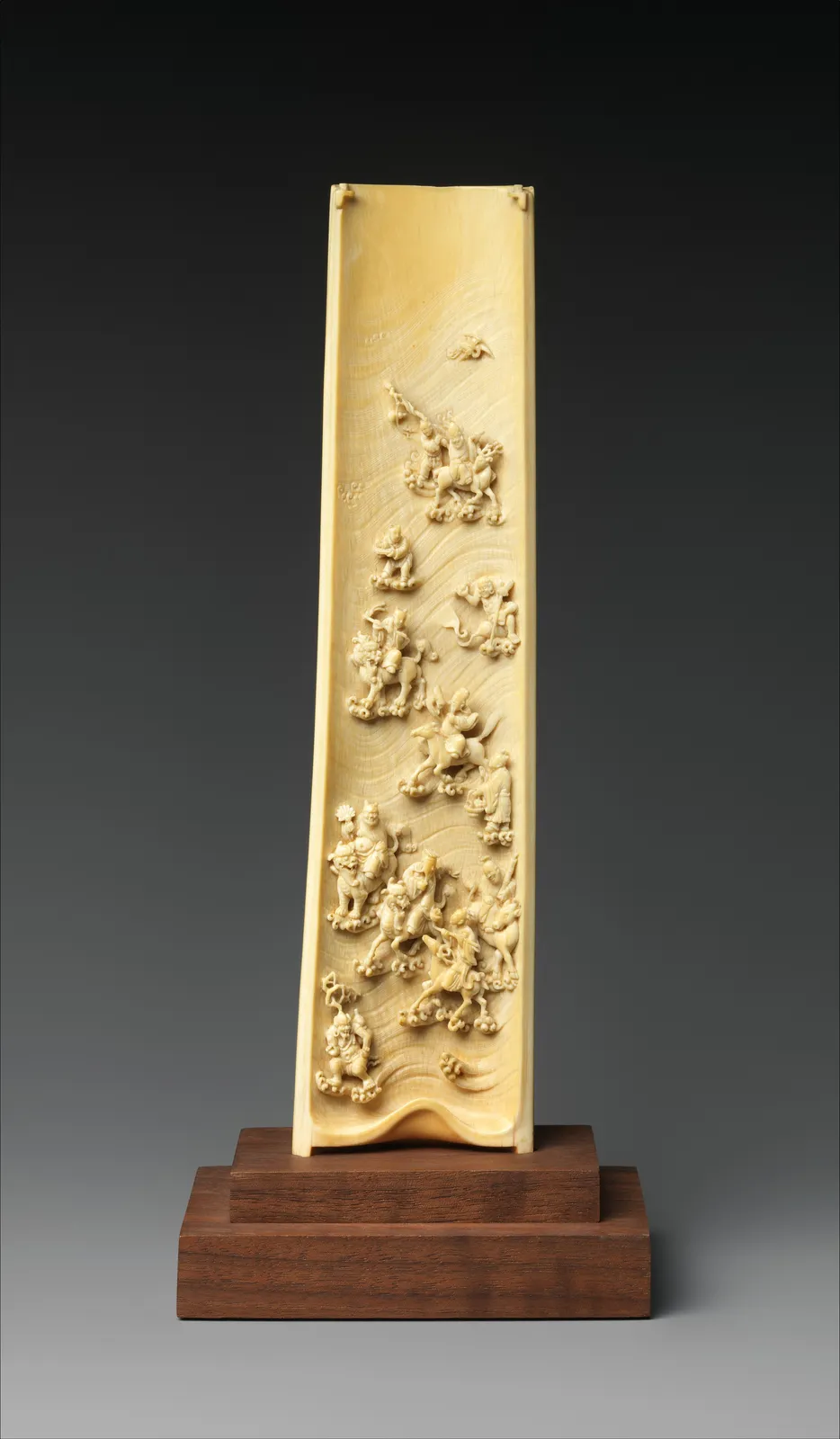
China, 18th century · Ivory · Source: The Met
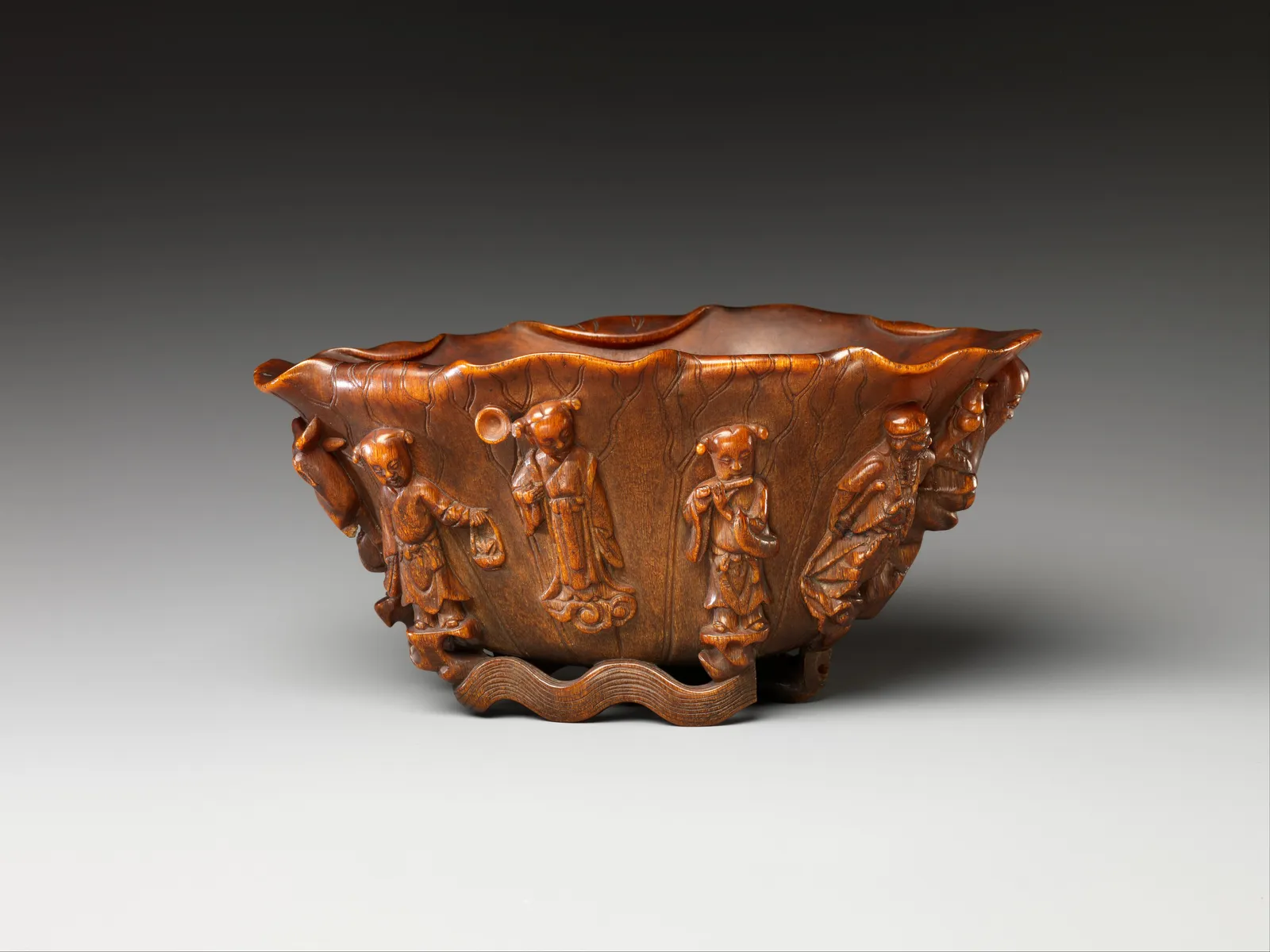
China, late 18th-19th century · Rhinoceros horn · Source: The Met
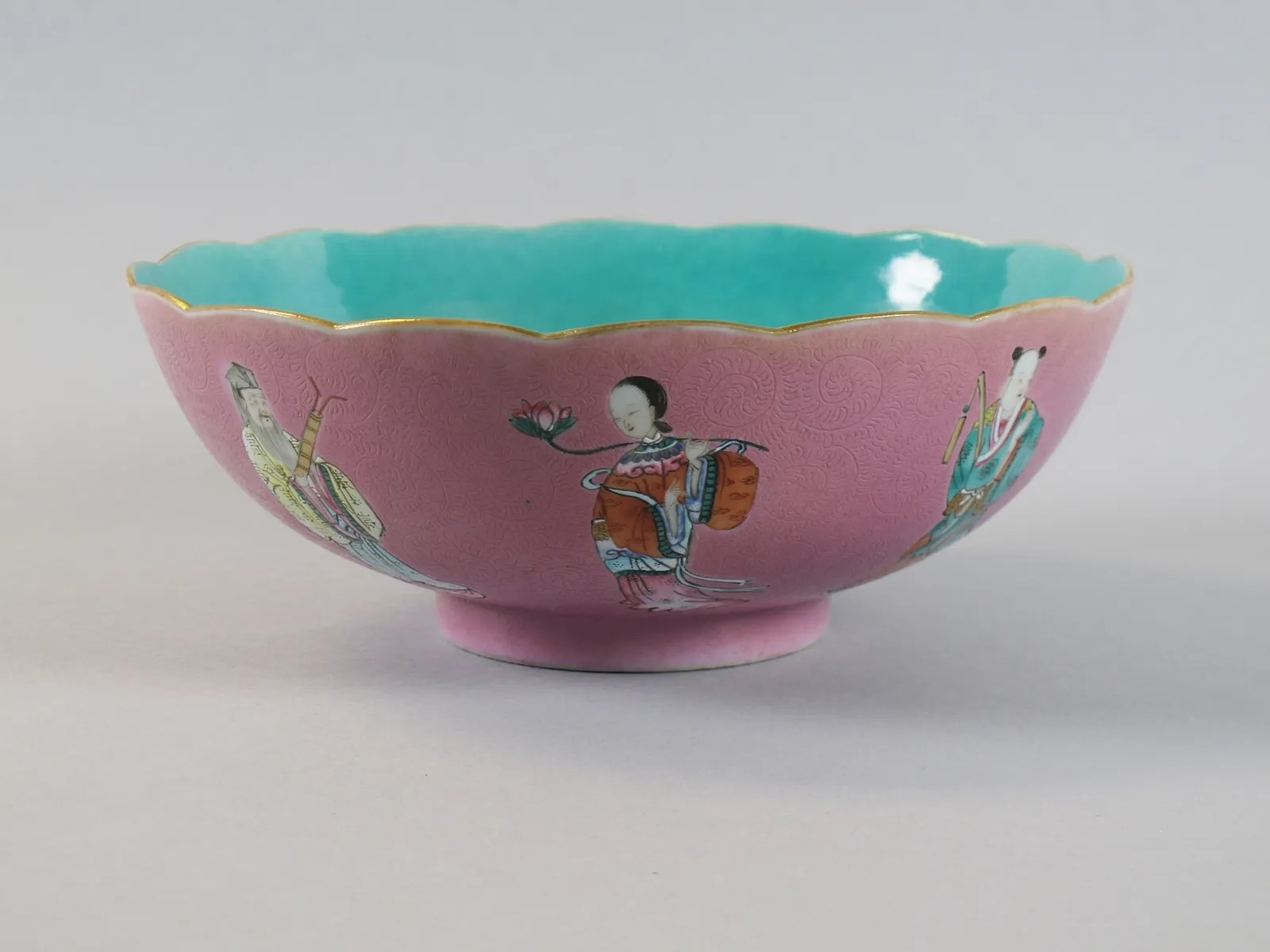
China, late 18th-early 19th century · Porcelain painted in overglaze polychrome enamels over engraved pink ground (Jingdezhen ware) · Source: The Met
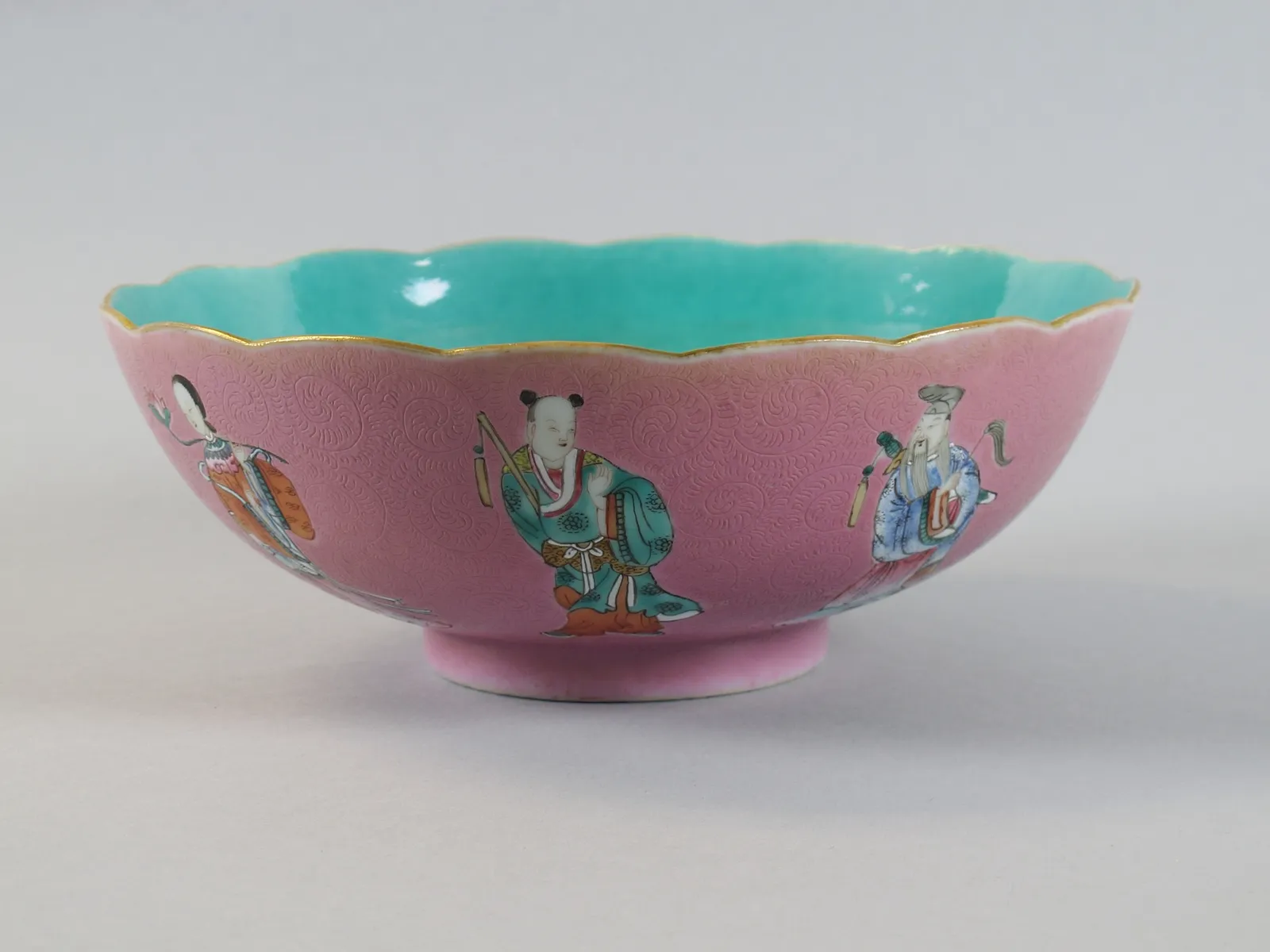
China, late 18th-early 19th century · Porcelain painted in overglaze polychrome enamels over engraved pink ground (Jingdezhen ware) · Source: The Met
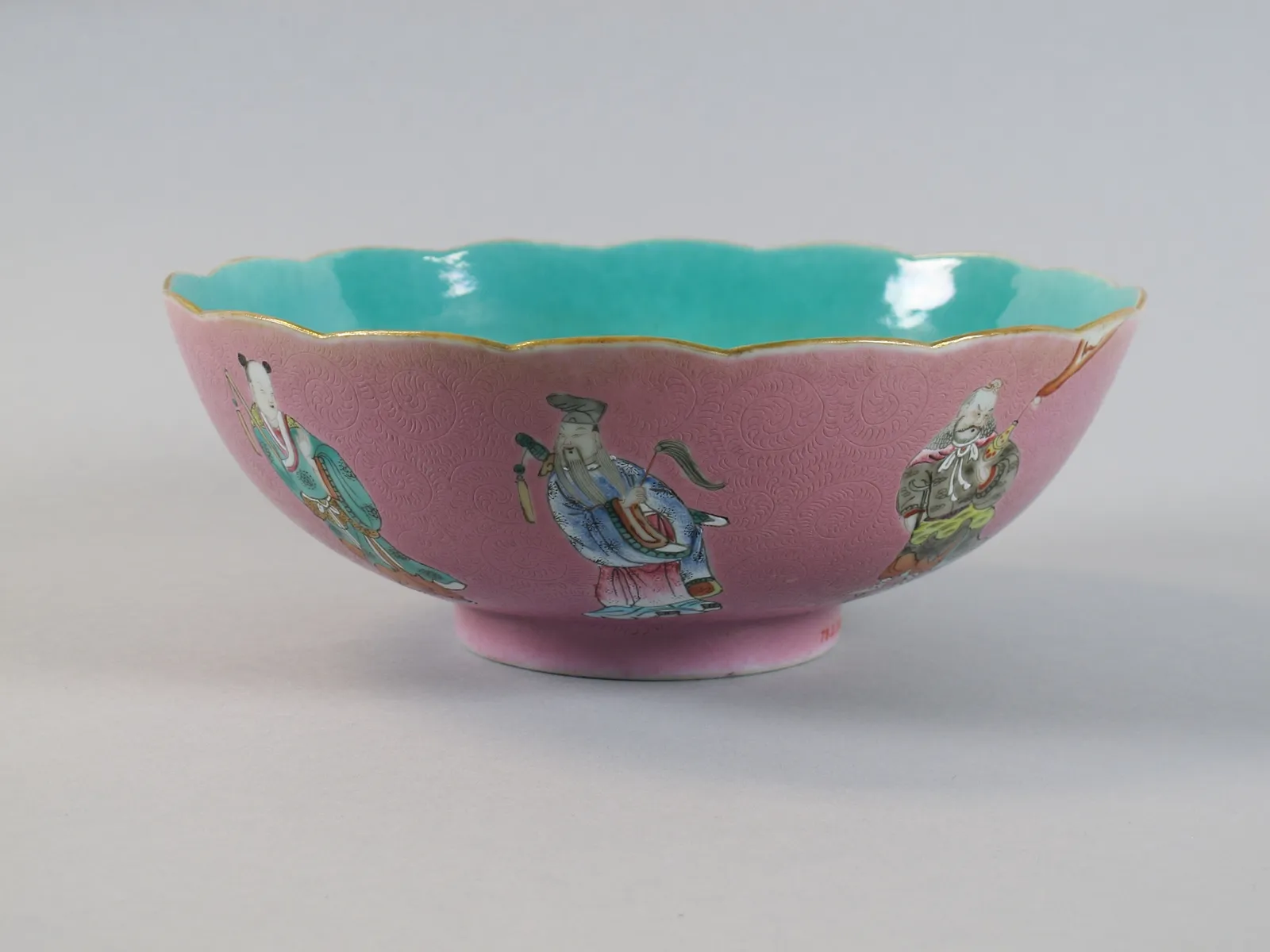
China, late 18th-early 19th century · Porcelain painted in overglaze polychrome enamels over engraved pink ground (Jingdezhen ware) · Source: The Met
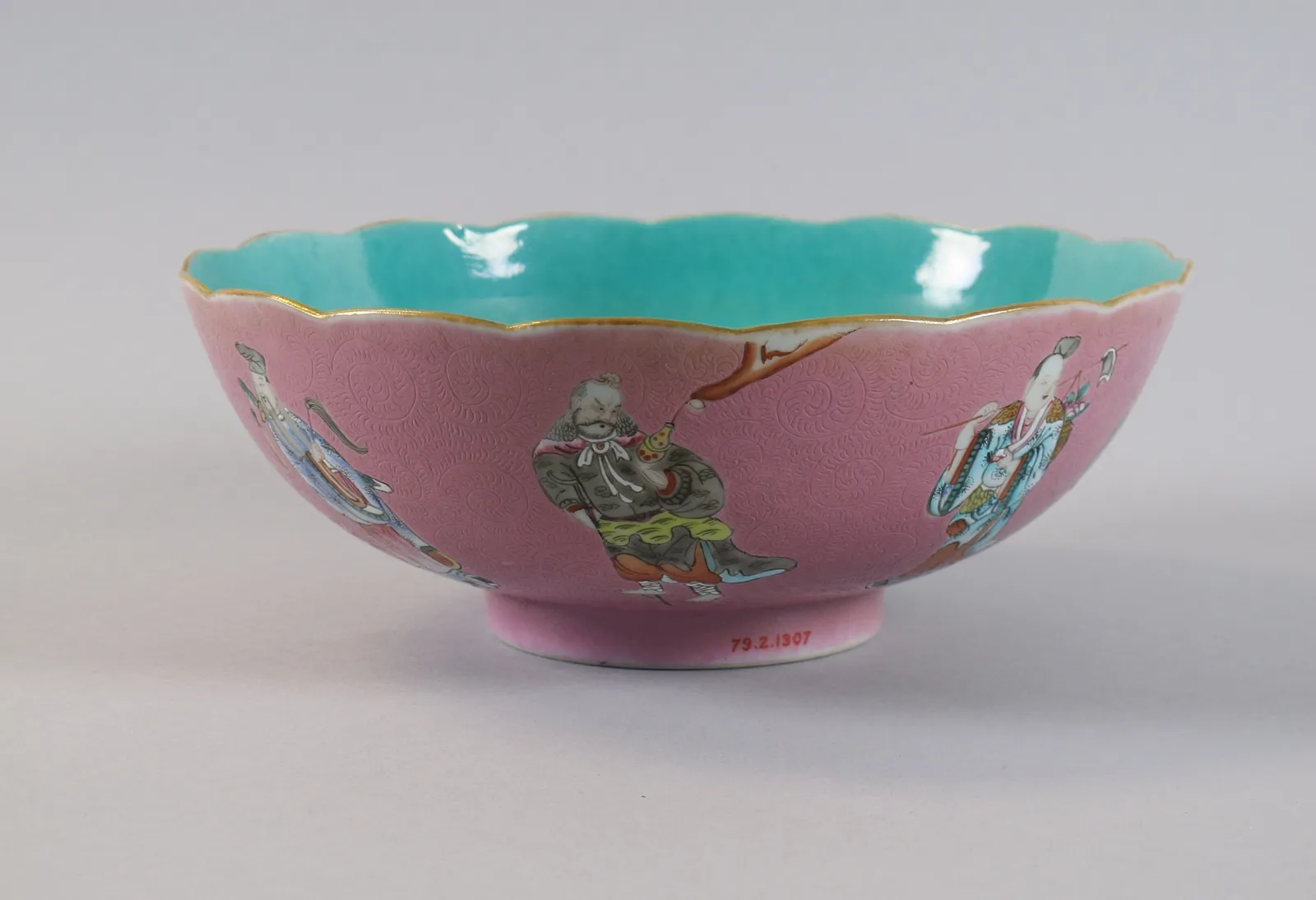
China, late 18th-early 19th century · Porcelain painted in overglaze polychrome enamels over engraved pink ground (Jingdezhen ware) · Source: The Met
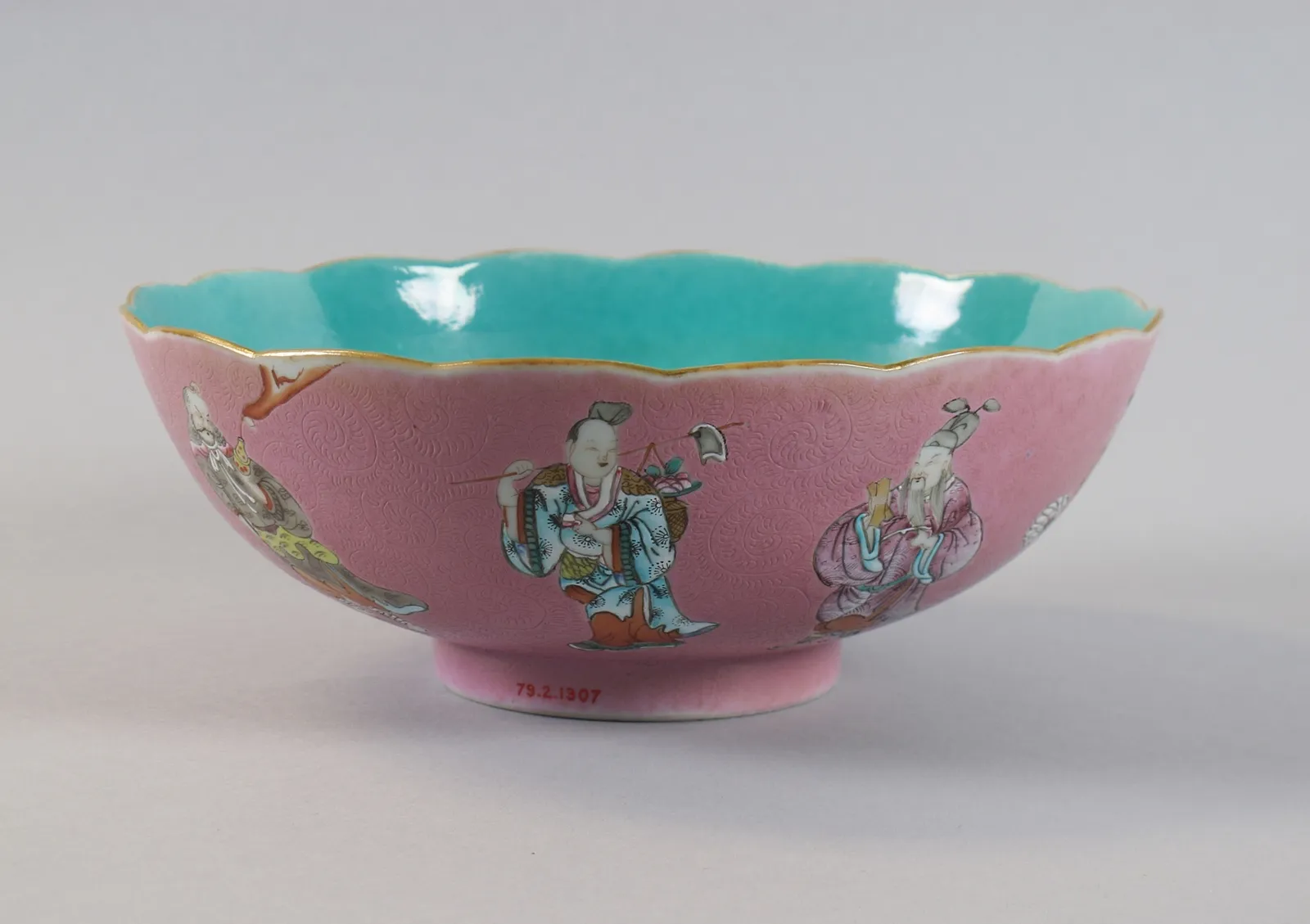
China, late 18th-early 19th century · Porcelain painted in overglaze polychrome enamels over engraved pink ground (Jingdezhen ware) · Source: The Met
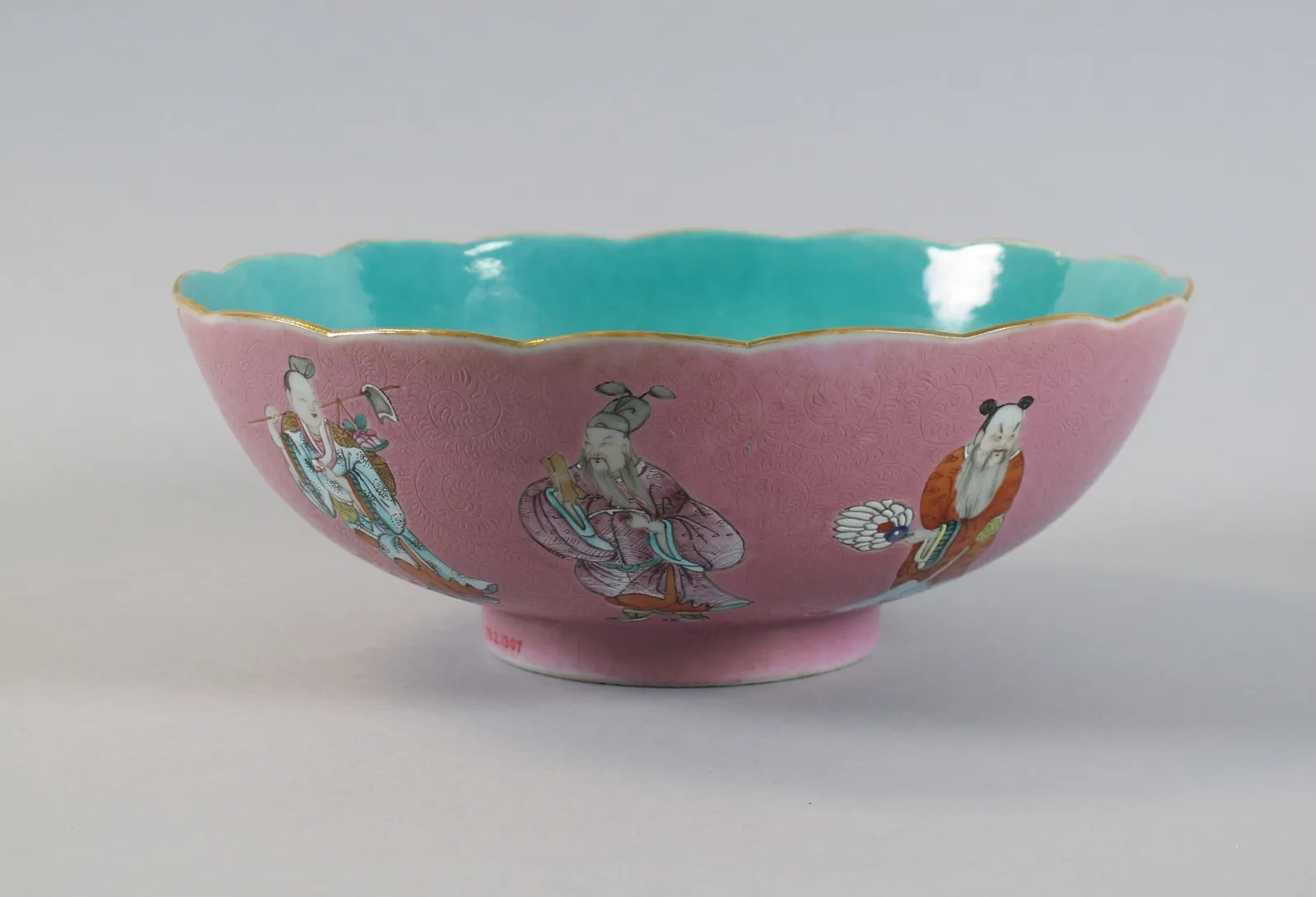
China, late 18th-early 19th century · Porcelain painted in overglaze polychrome enamels over engraved pink ground (Jingdezhen ware) · Source: The Met
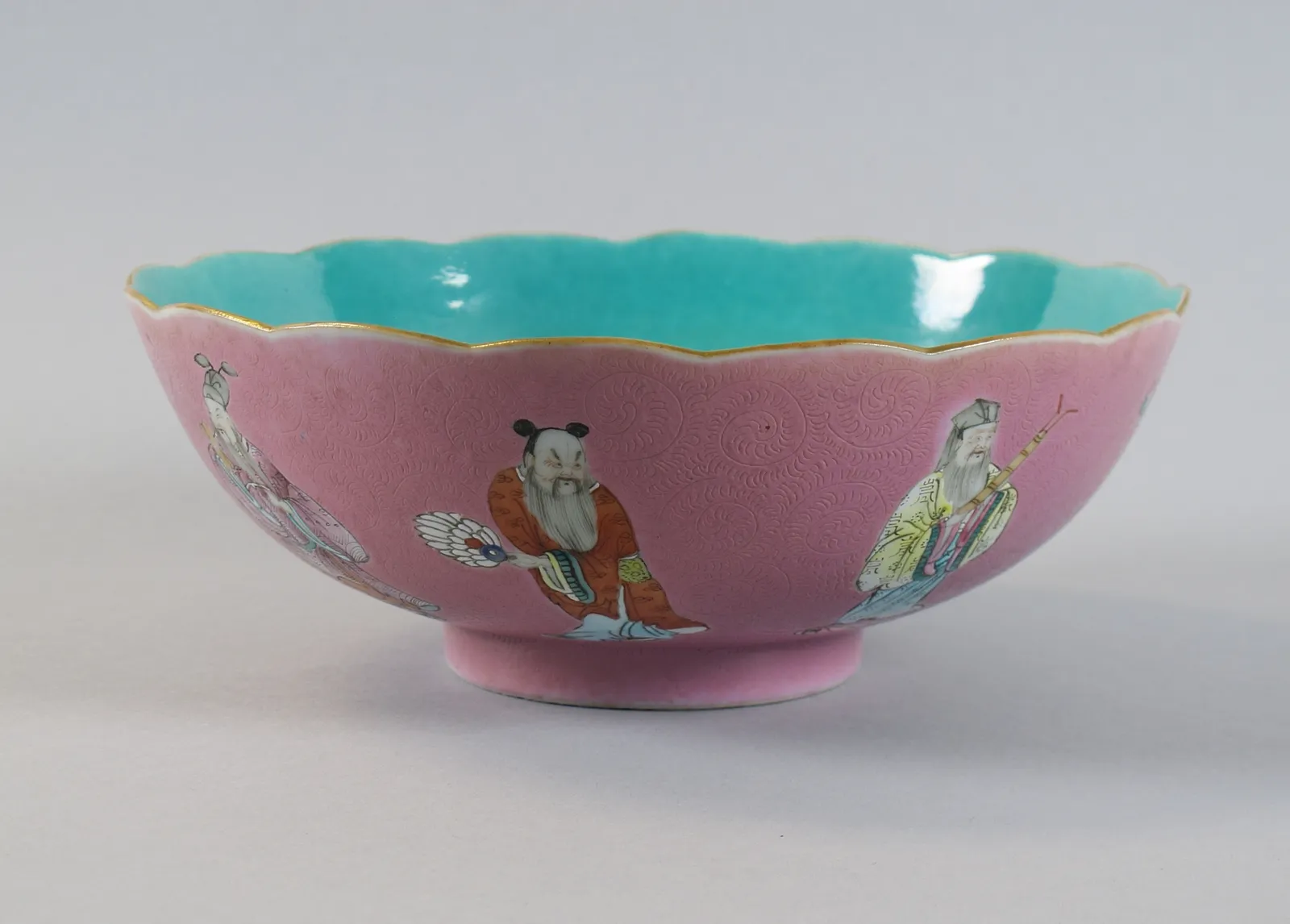
China, late 18th-early 19th century · Porcelain painted in overglaze polychrome enamels over engraved pink ground (Jingdezhen ware) · Source: The Met
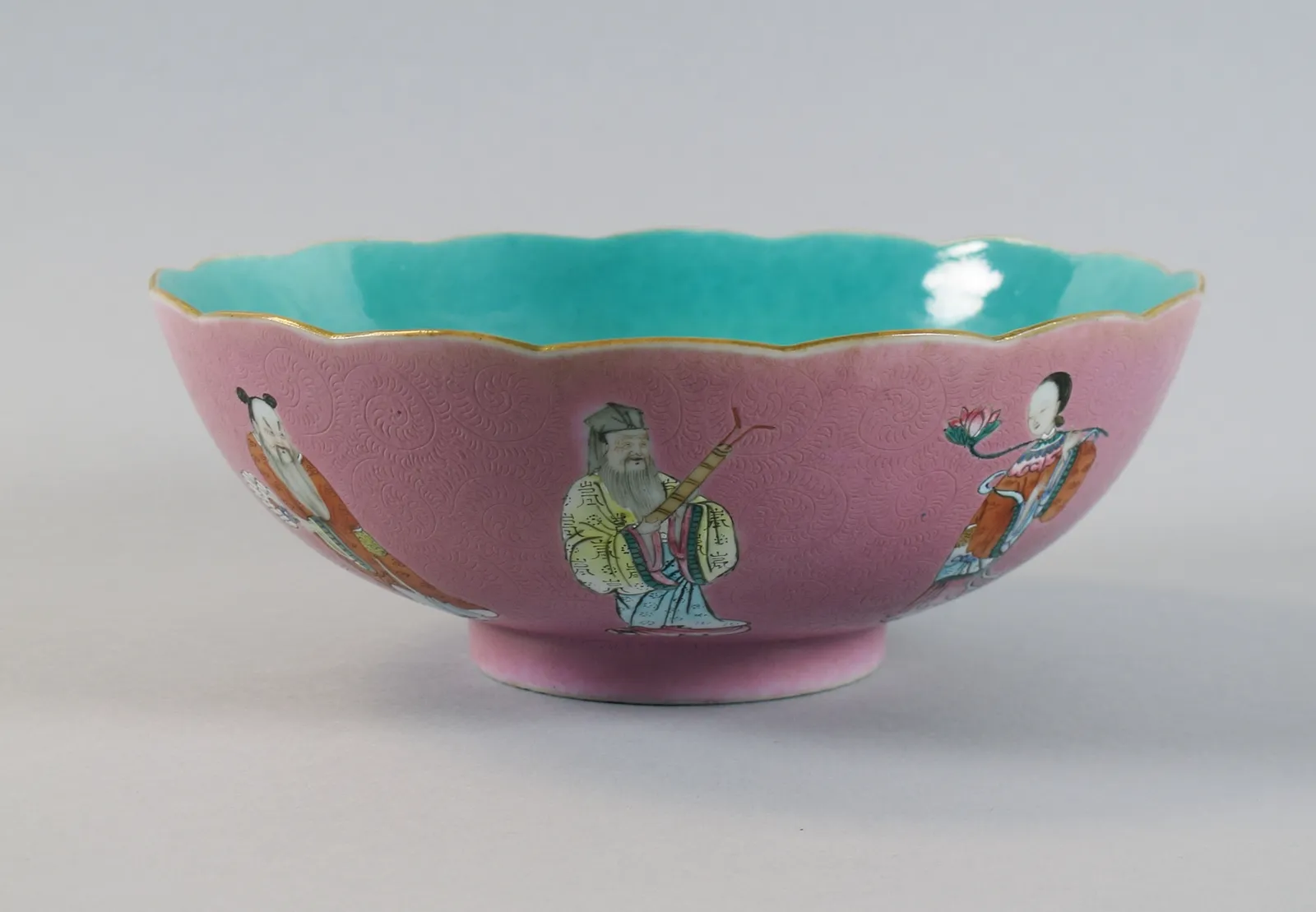
China, late 18th-early 19th century · Porcelain painted in overglaze polychrome enamels over engraved pink ground (Jingdezhen ware) · Source: The Met
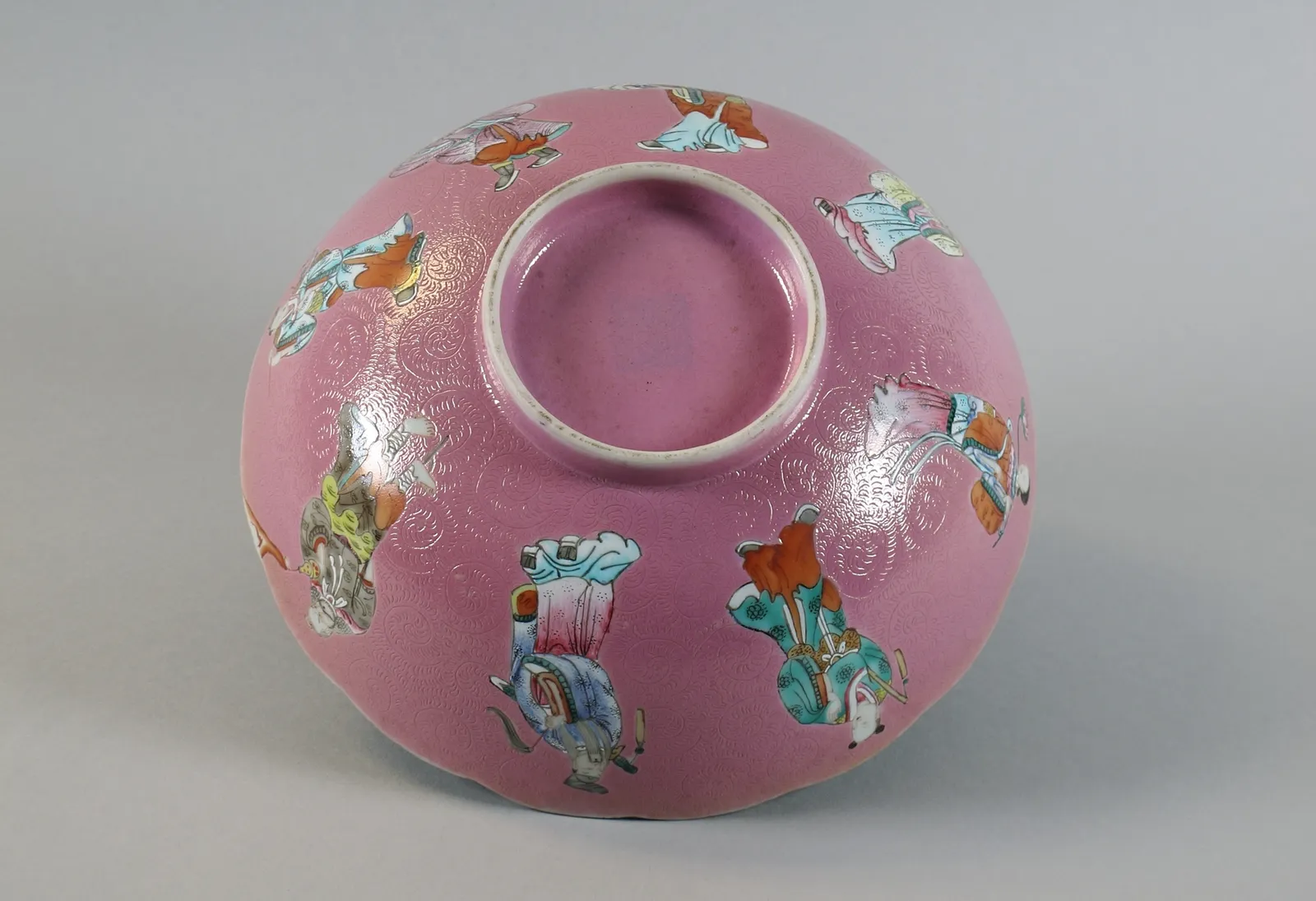
China, late 18th-early 19th century · Porcelain painted in overglaze polychrome enamels over engraved pink ground (Jingdezhen ware) · Source: The Met
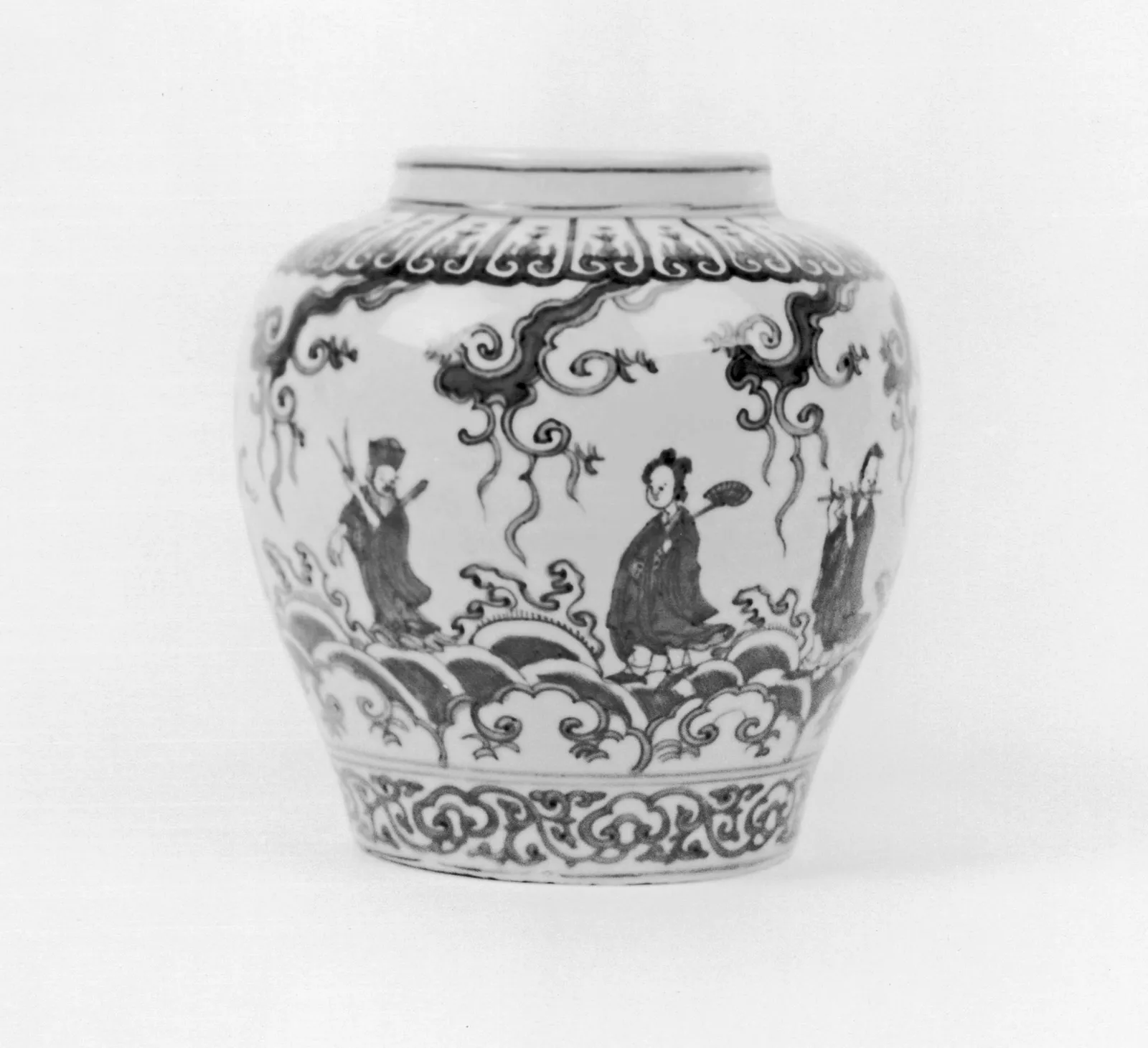
China, 1572-1619 · Blue and white porcelain jar depicting eight immortals crossing the sea · Source: Walters Art Museum via Wikimedia Commons
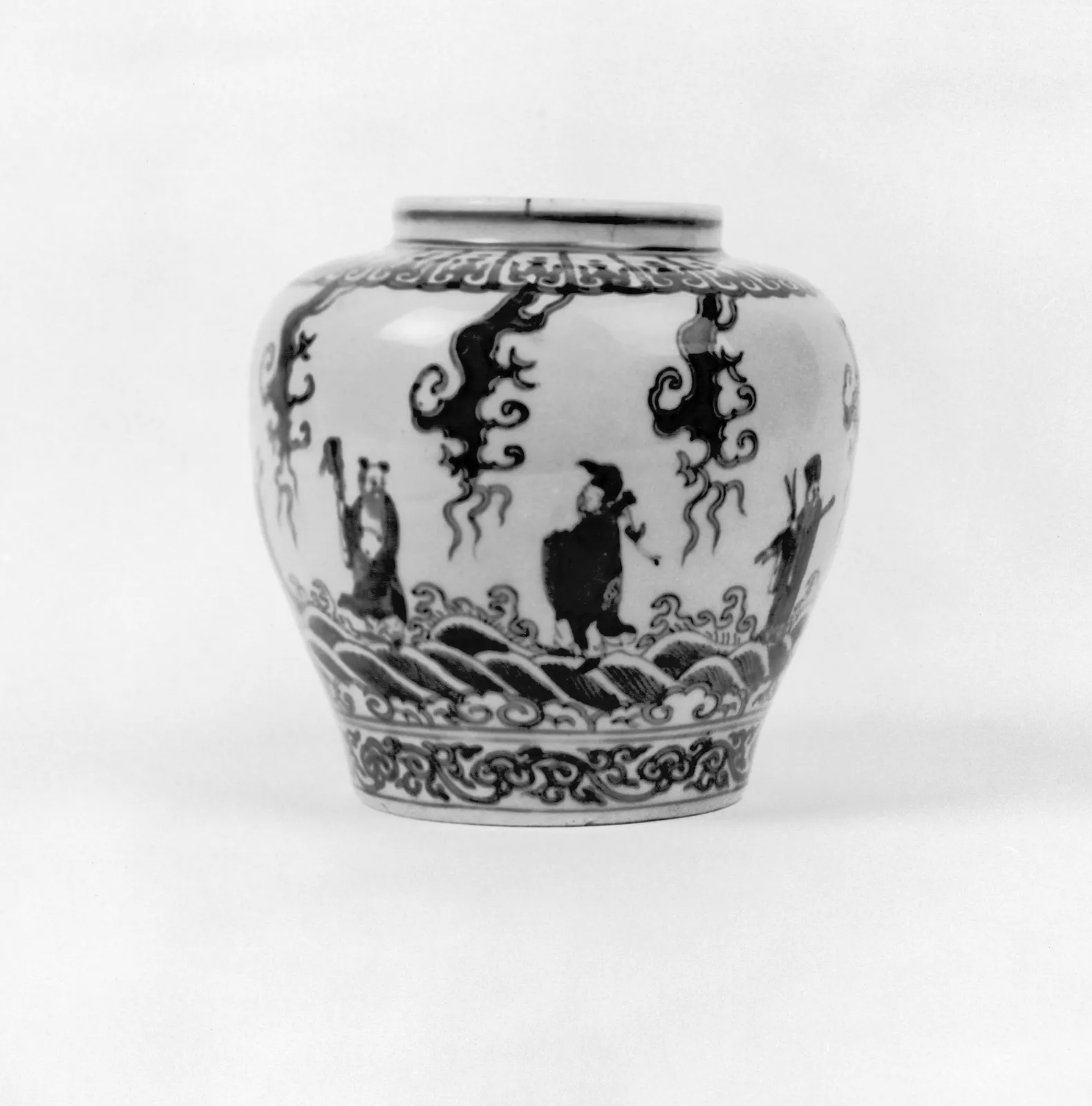
China, 1573-1619 · Blue and white porcelain jar depicting eight immortals crossing the sea · Source: Walters Art Museum via Wikimedia Commons
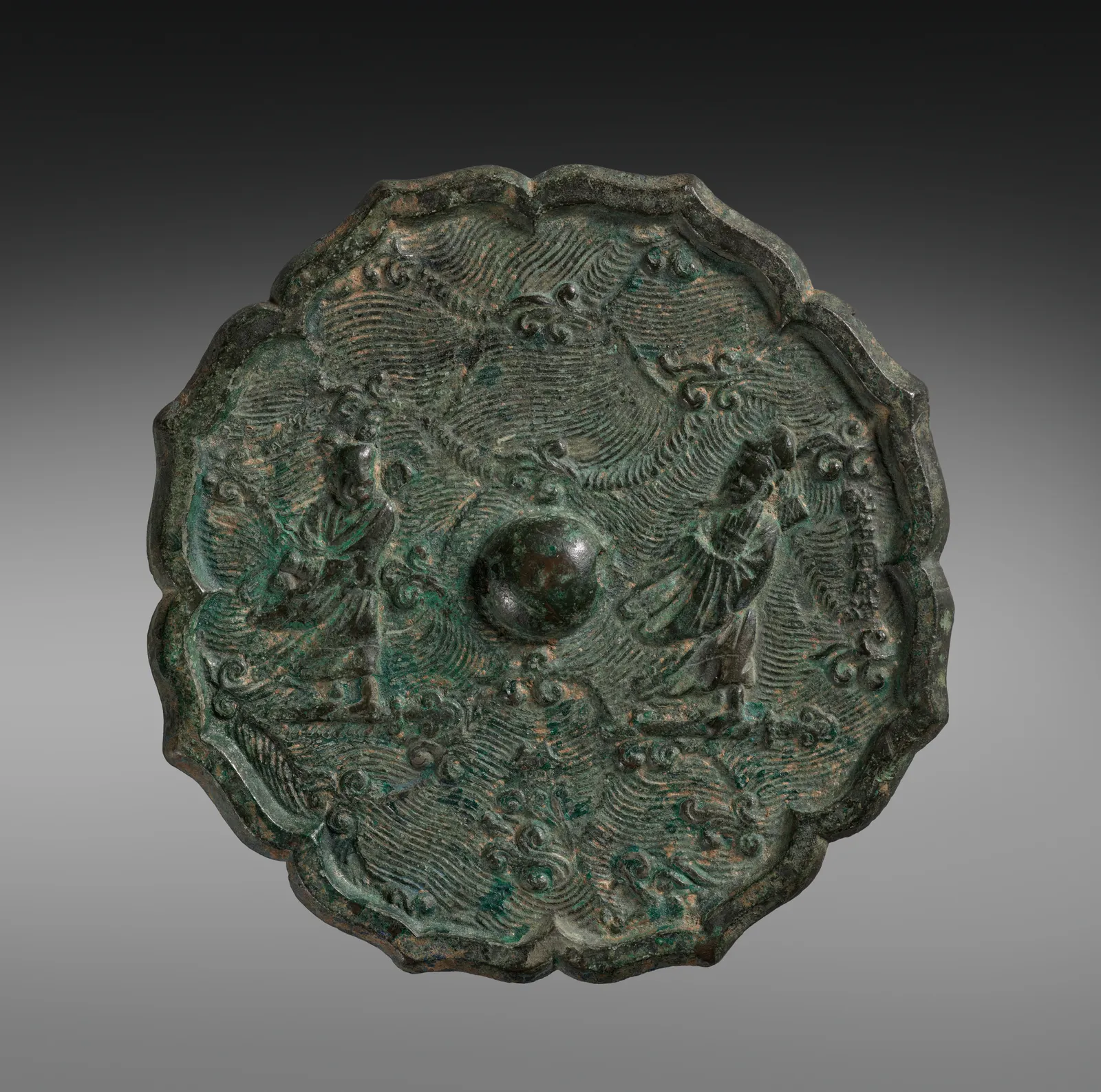
A useful early object for connecting the famous crossing-the-ocean motif to material culture.
China, mid-900s-late 1200s · Bronze mirror · Source: Cleveland Museum of Art
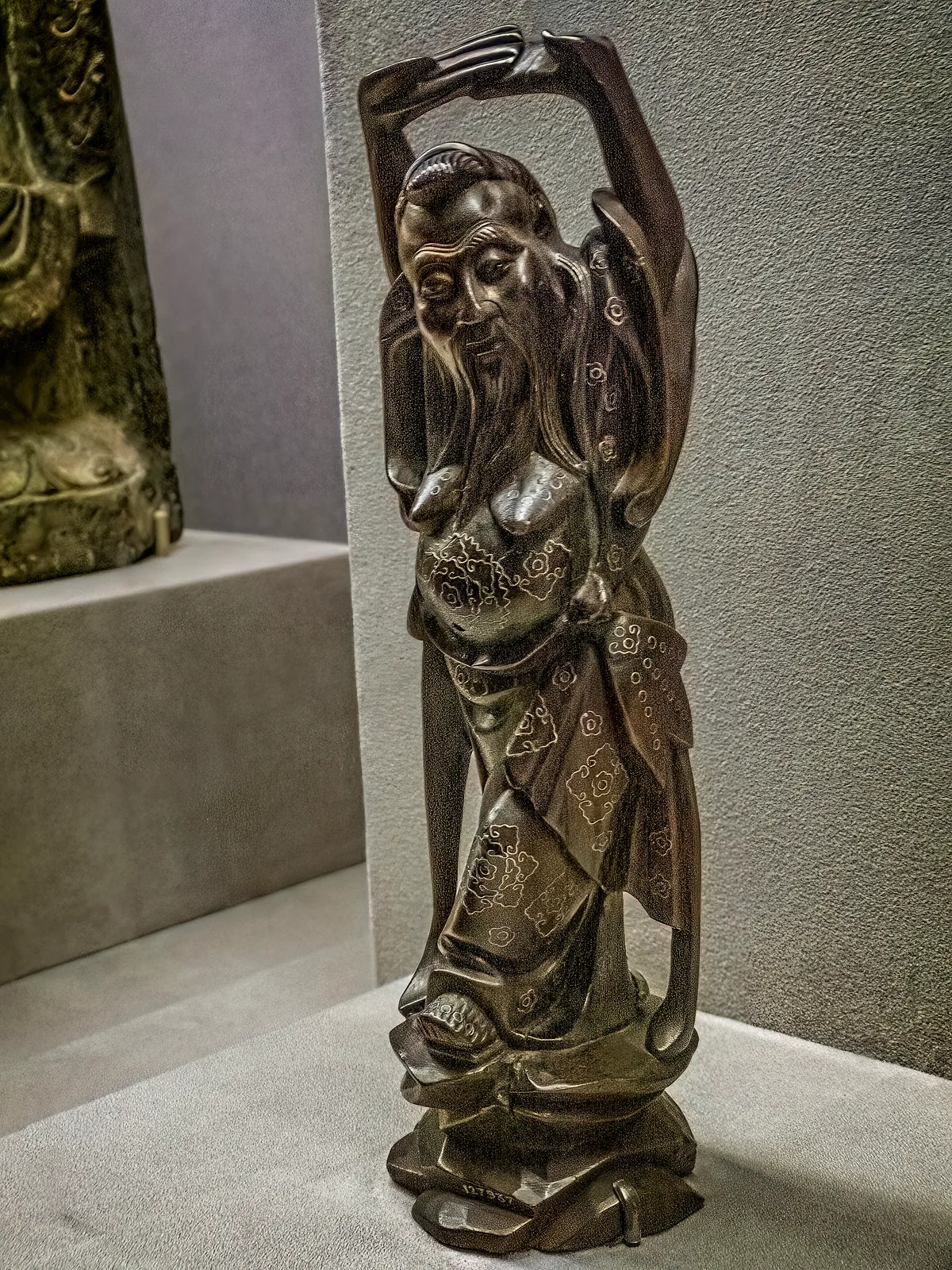
China, Qing dynasty (1644-1911) · Wood with silver inlay · Source: Field Museum of Natural History via Wikimedia Commons
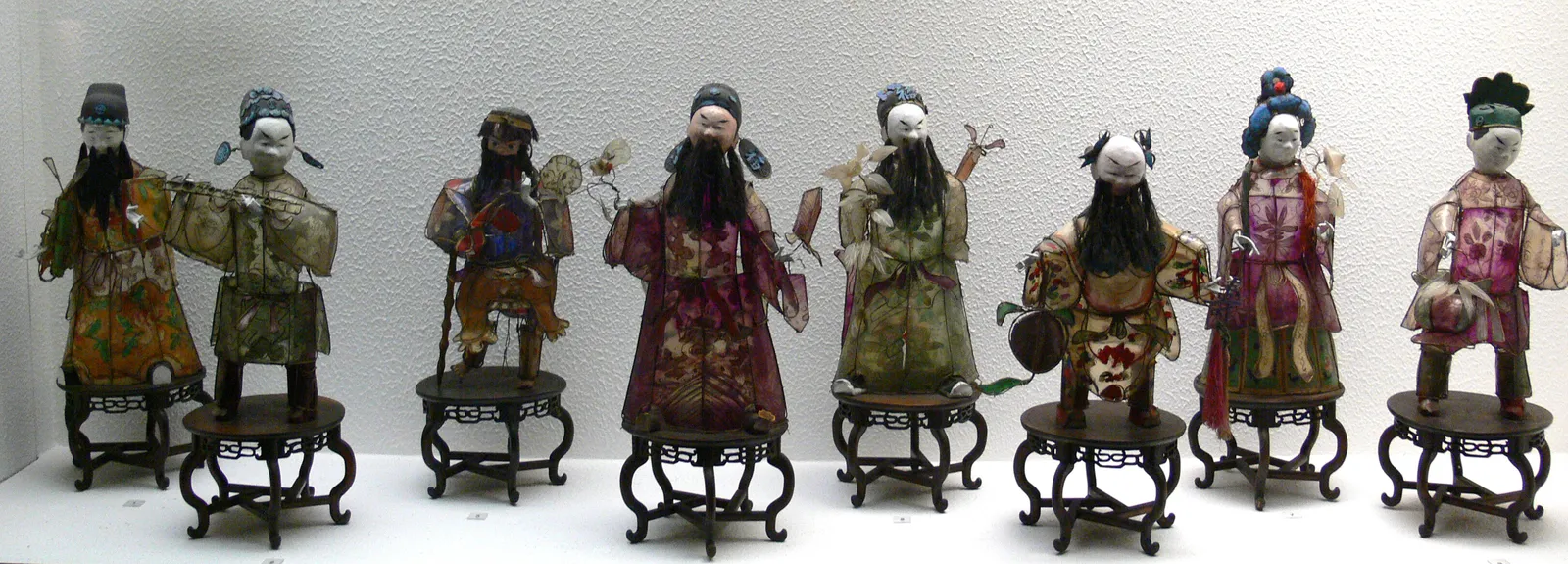
A folk and festival-oriented counterpoint to museum painting and ceramic examples.
China, Qing dynasty, 19th century · Buffalo horn, colored and painted · Source: Wikimedia Commons / Ethnological Museum, Berlin
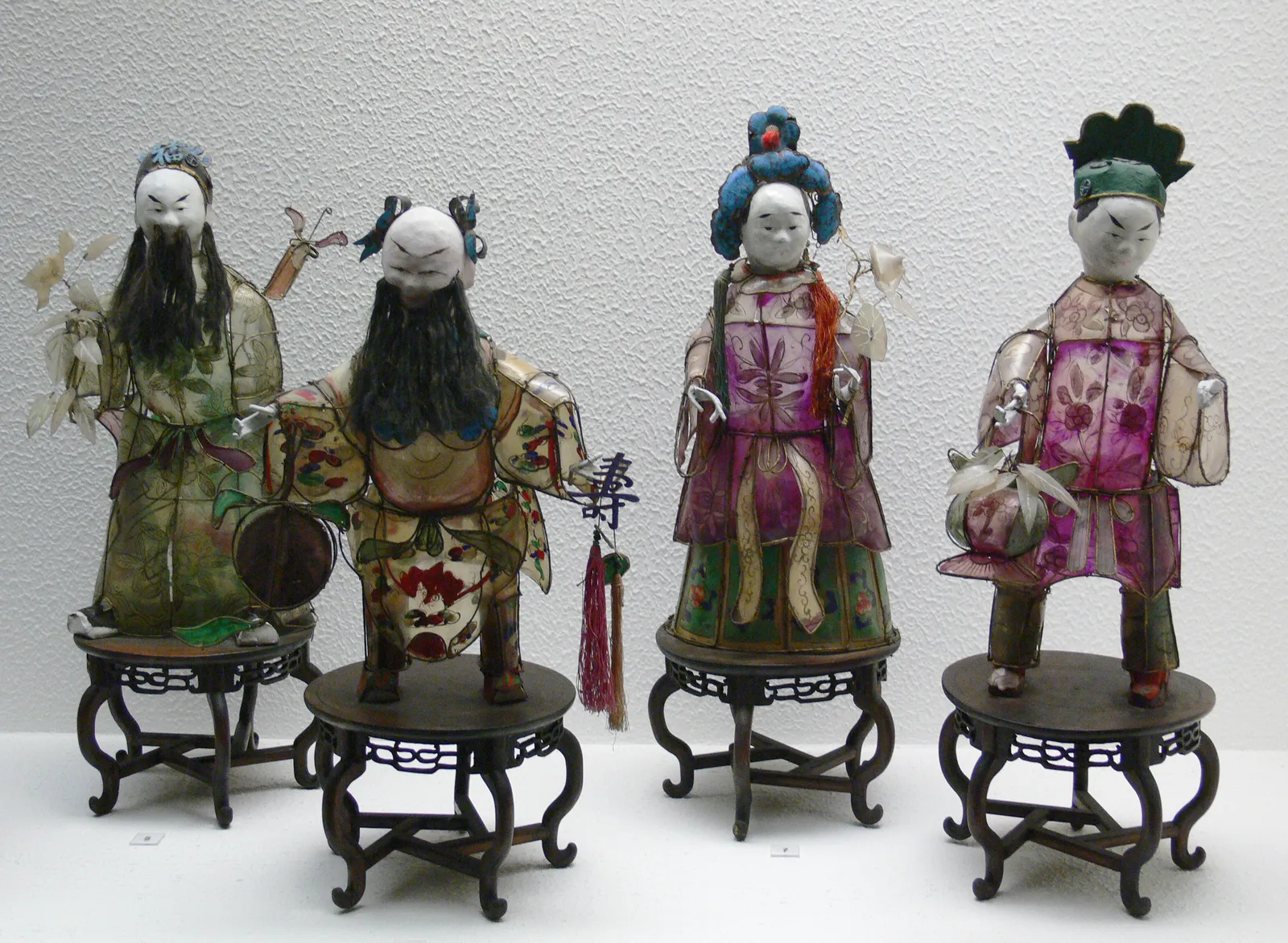
China, Qing dynasty, 19th century · Buffalo horn, colored and painted · Source: Wikimedia Commons / Ethnological Museum, Berlin
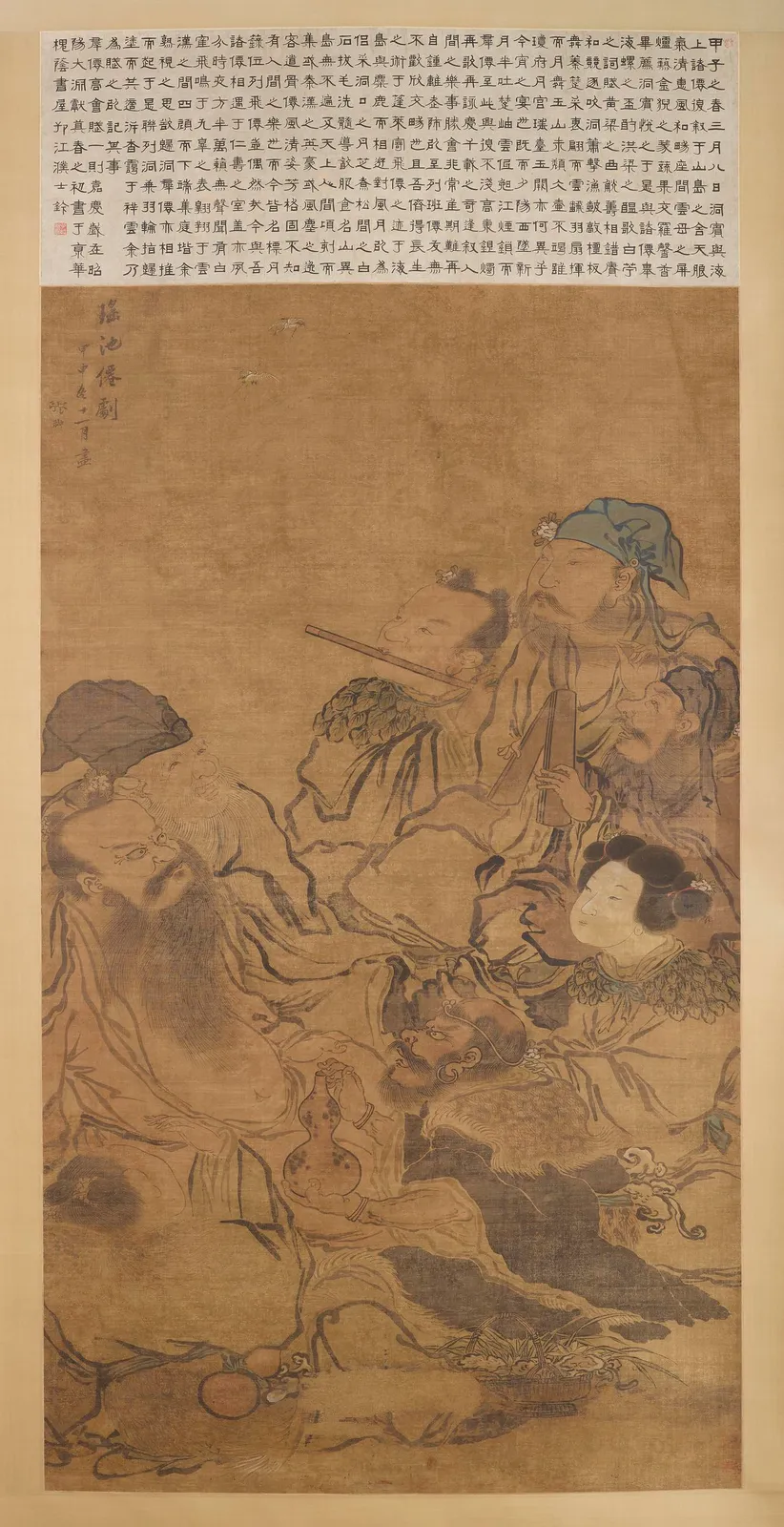
China, Ming dynasty, 1644 · Hanging scroll; ink and colour on silk, by Zhang Chong · Source: British Museum via Wikimedia Commons
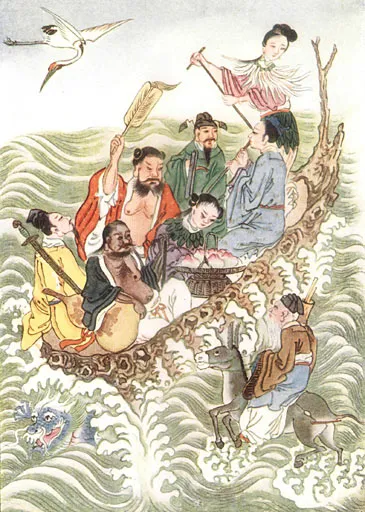
Illustration, 1922 · Book plate from E.T.C. Werner's Myths and Legends of China · Source: Project Gutenberg via Wikimedia Commons
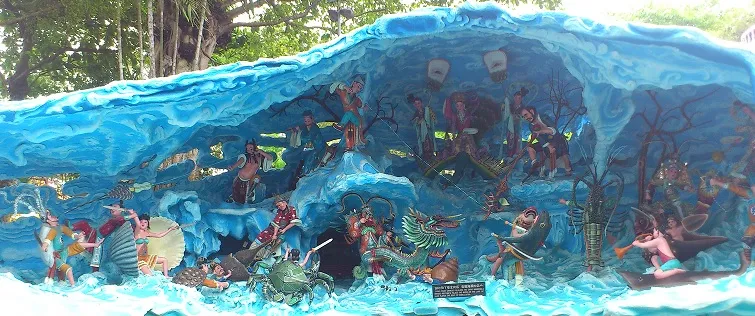
Singapore, photographed 2014 · Diorama of the Eight Immortals battling the Dragon King, Haw Par Villa park · Source: Wikimedia Commons