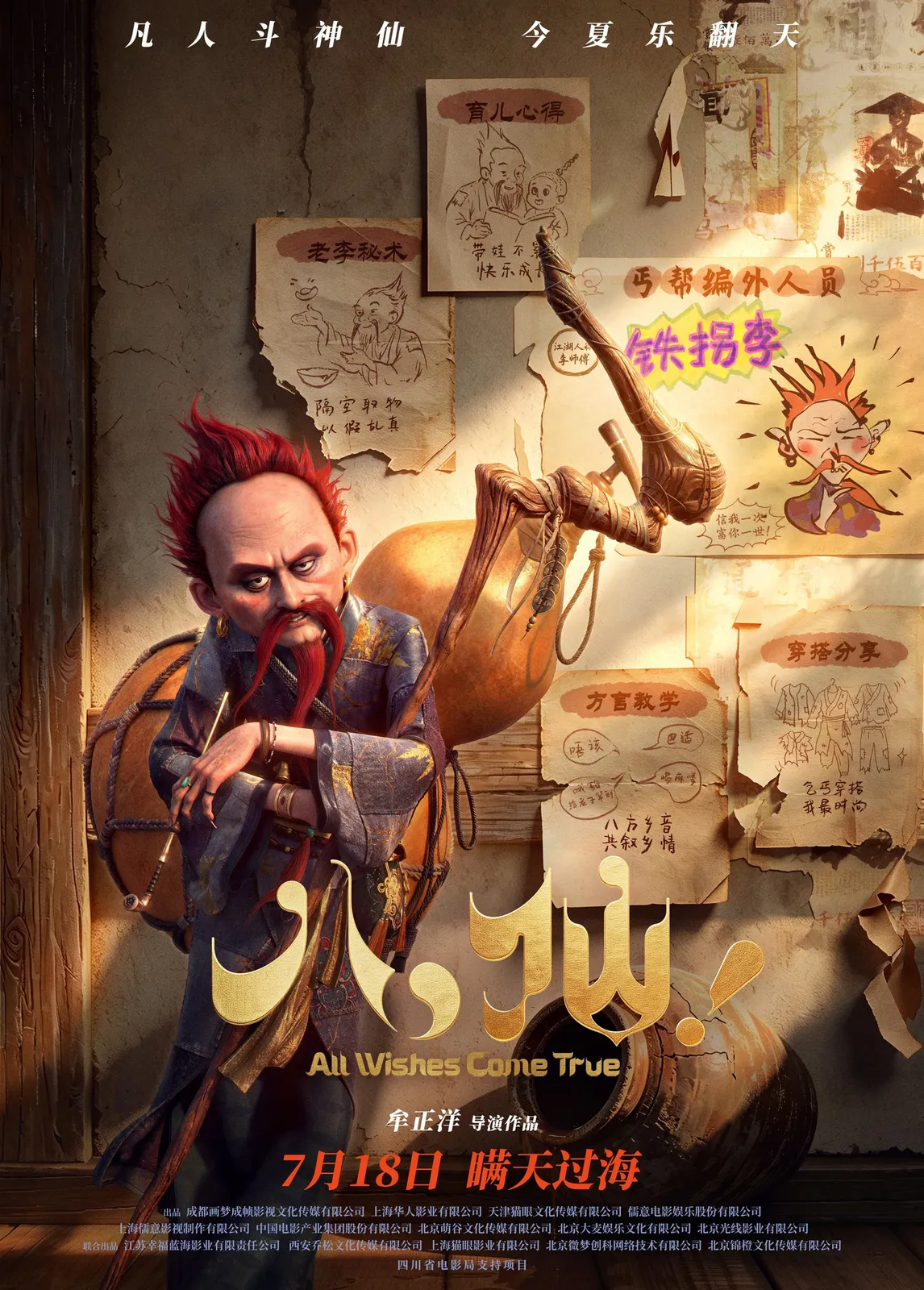
July 18 release character poster from the 1905 Movie Network gallery.
Character profile
Public premiere coverage describes Tieguai Li as the team's blunt, lively comic force: plain-spoken, willing to stir things up, and still loyal when danger arrives.
July 18 release character poster from the 1905 Movie Network gallery.
Movie stills
Official scene images that add more film atmosphere around Tieguai Li.
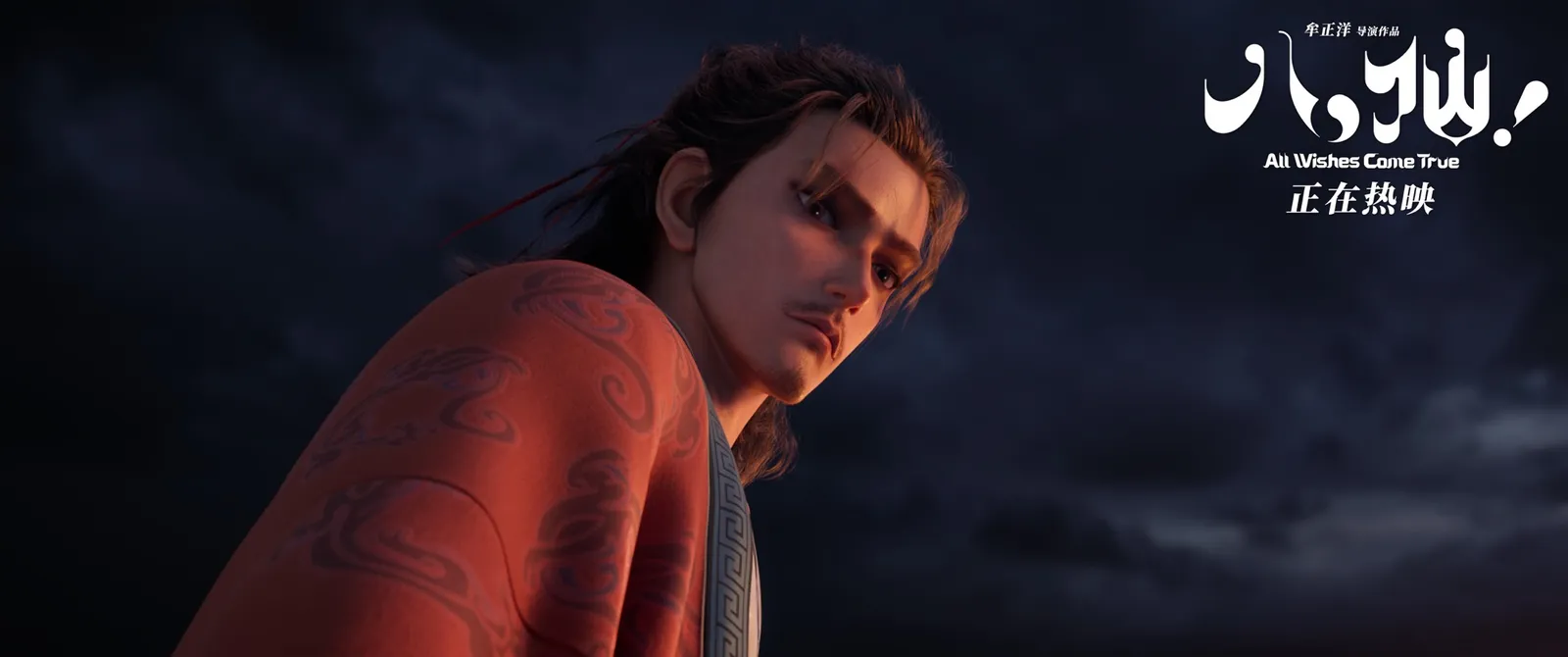
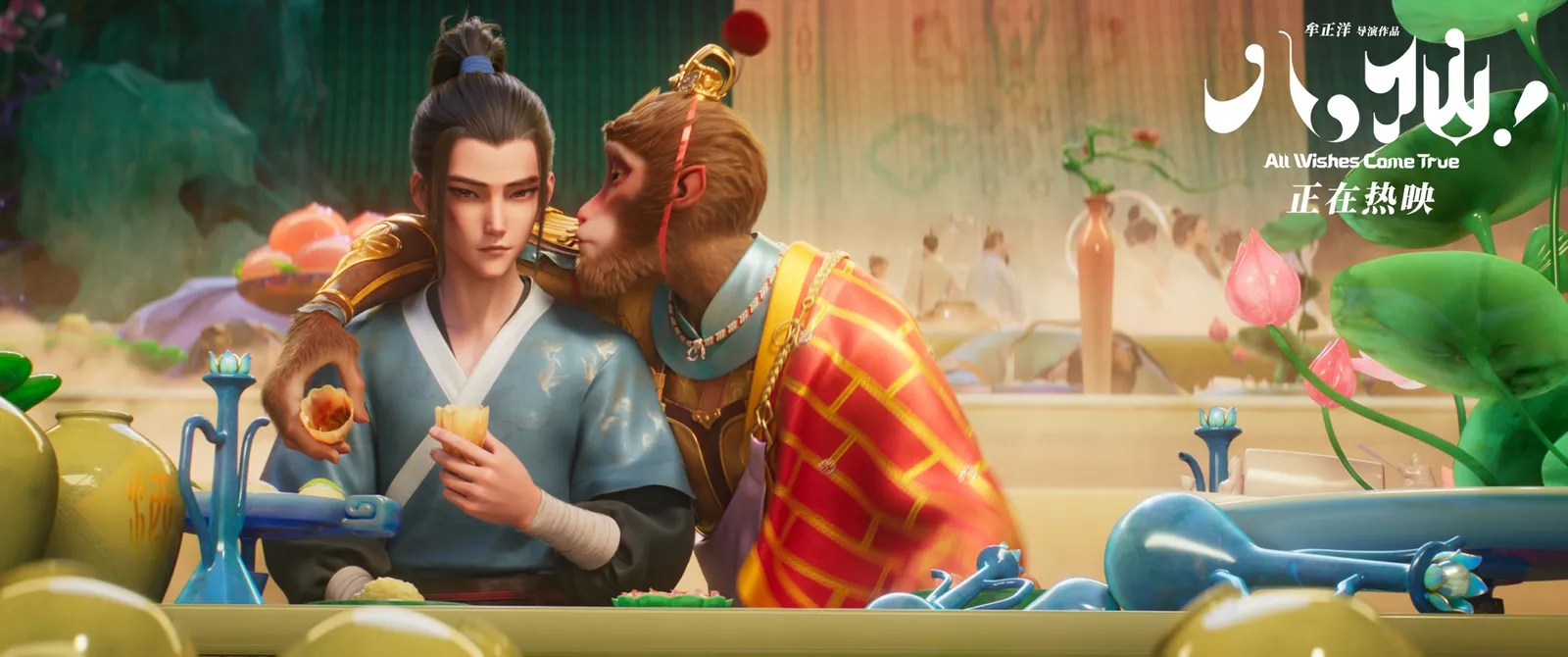
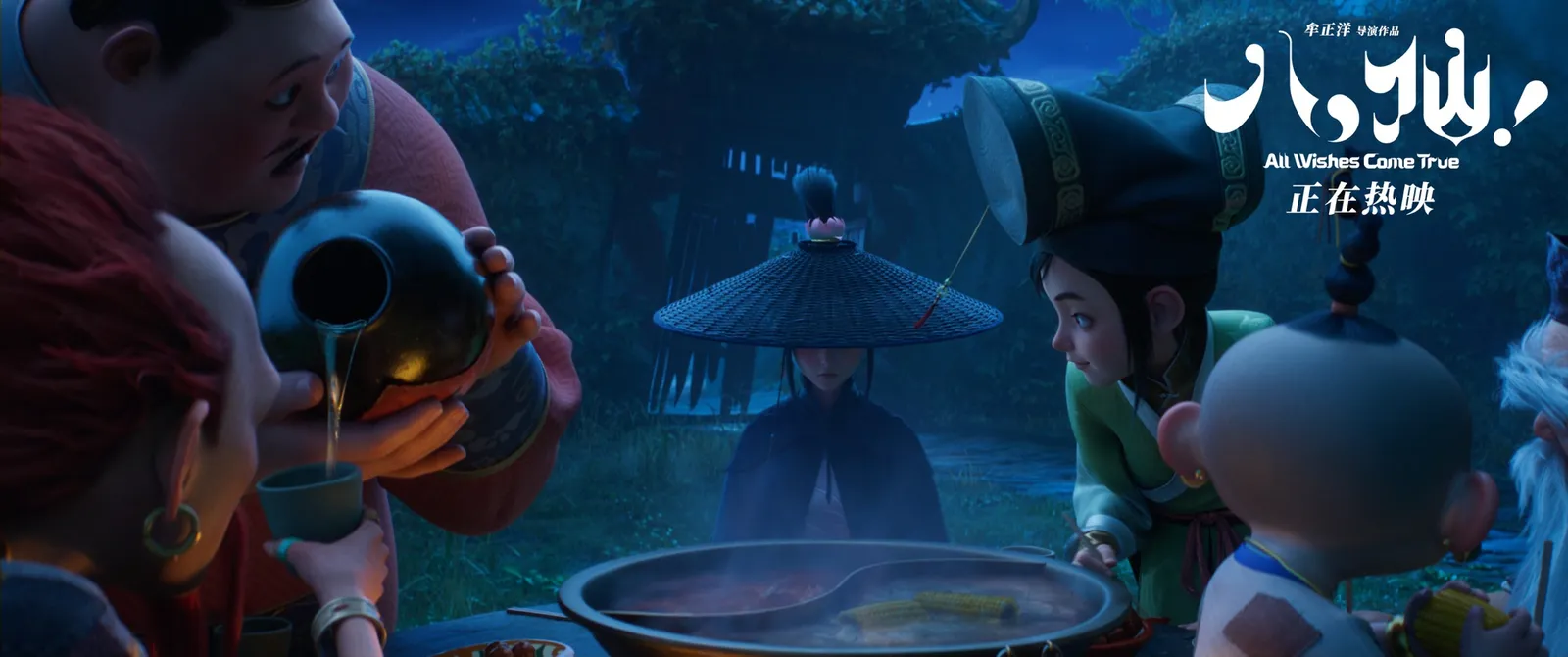
Tieguai Li is often shown as an ascetic figure carrying an iron crutch and a medicine gourd. In traditional stories, his outwardly ragged form contrasts with deep spiritual power and a healer's concern for people in need.
Tieguai Li suggests resilient, protective, unconventional, compassionate energy in the older mythology.
You are the survivor-guide: practical, blunt when needed, and surprisingly gentle with people who are struggling. Your strength is turning hardship into medicine.
Find your matchClassical art reference
Historical visual references from museum collections.
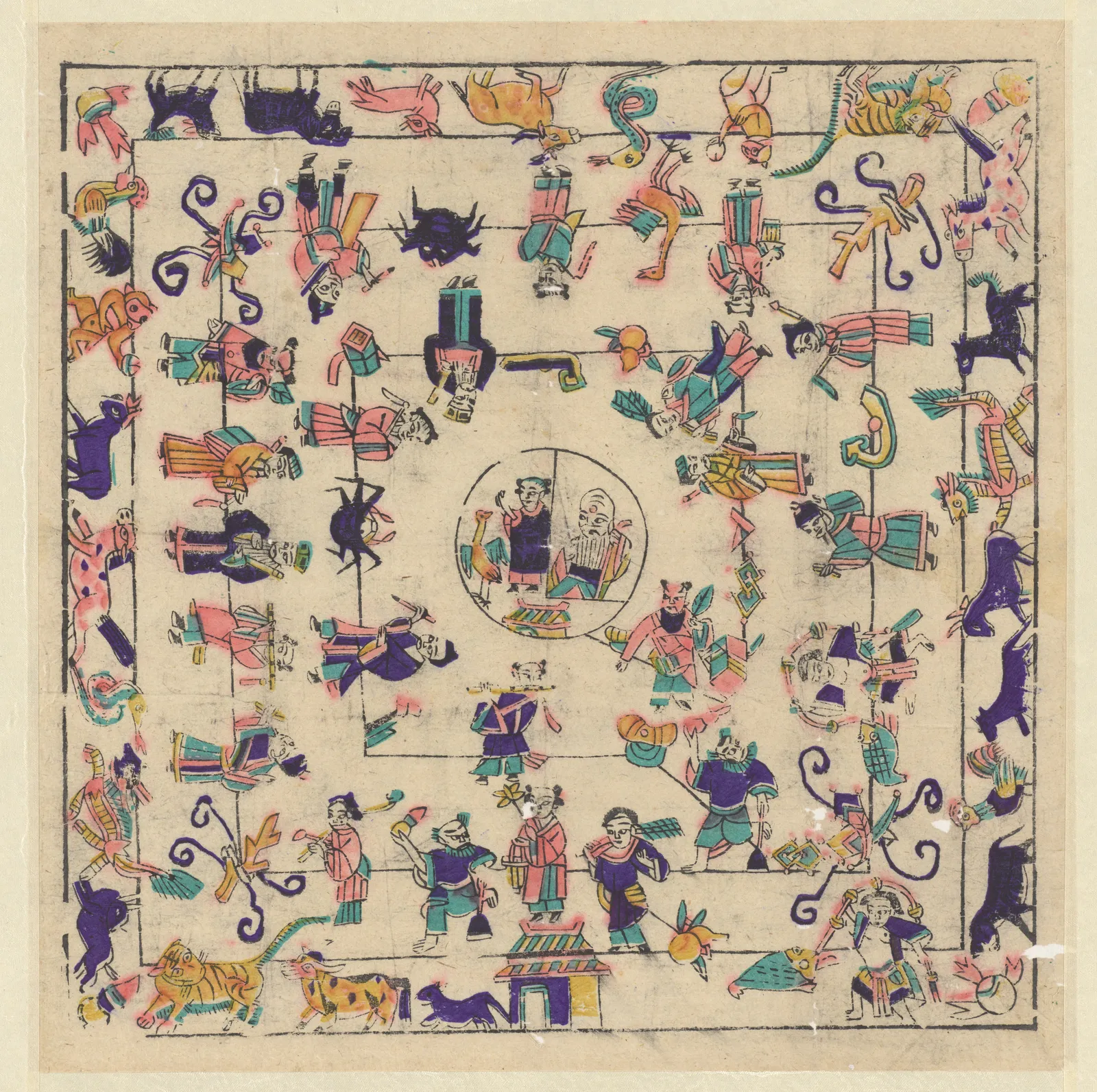
A strong overview image for showing how the Ba Xian group circulated through popular print culture.
China, Suzhou, 18th century · Woodblock print; ink and hand coloring on paper · Source: The Met
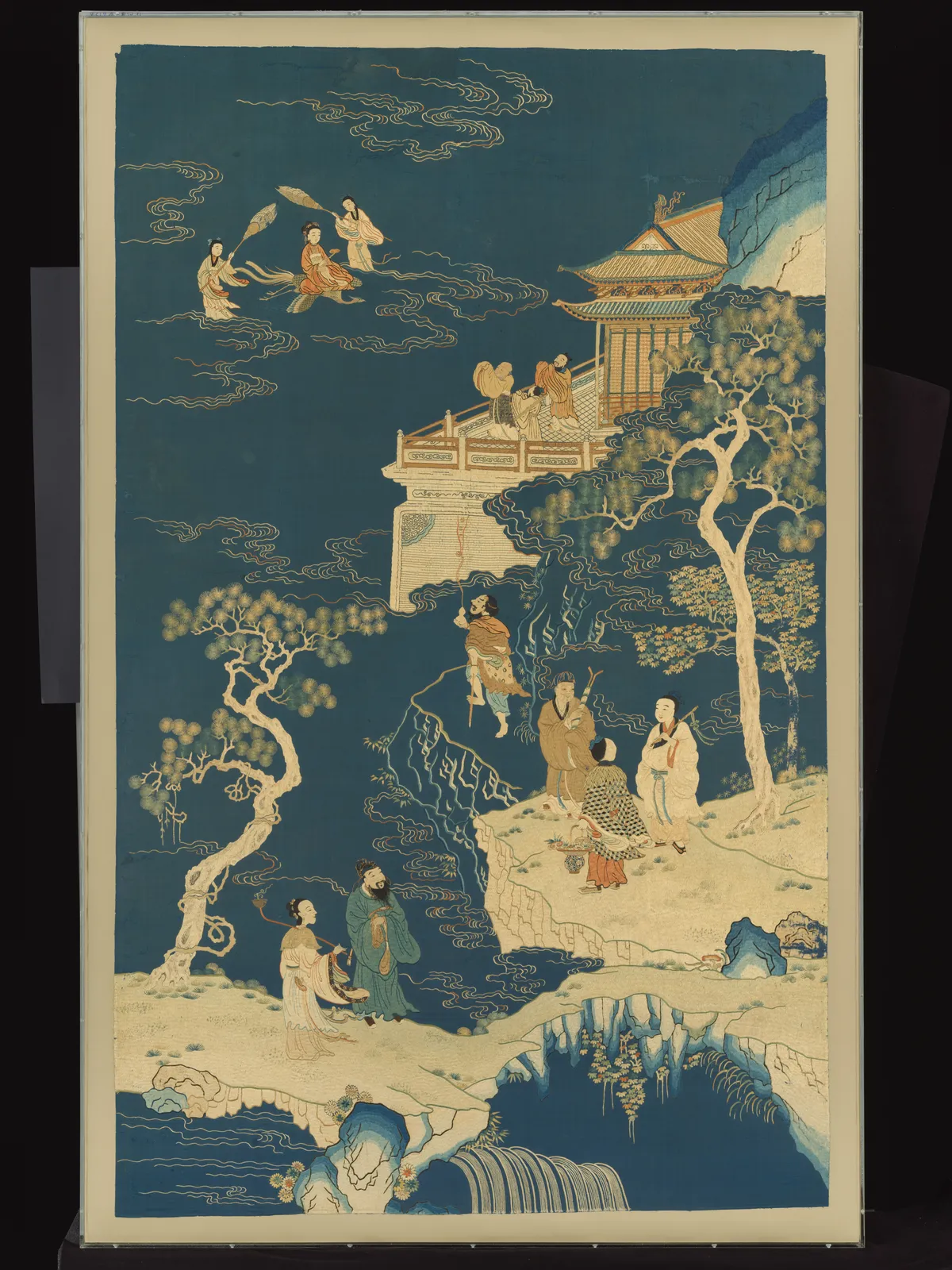
Useful as a classical-art anchor because it moves beyond porcelain into textile and courtly decorative language.
China, 18th century · Silk and metal thread embroidery on silk satin · Source: The Met
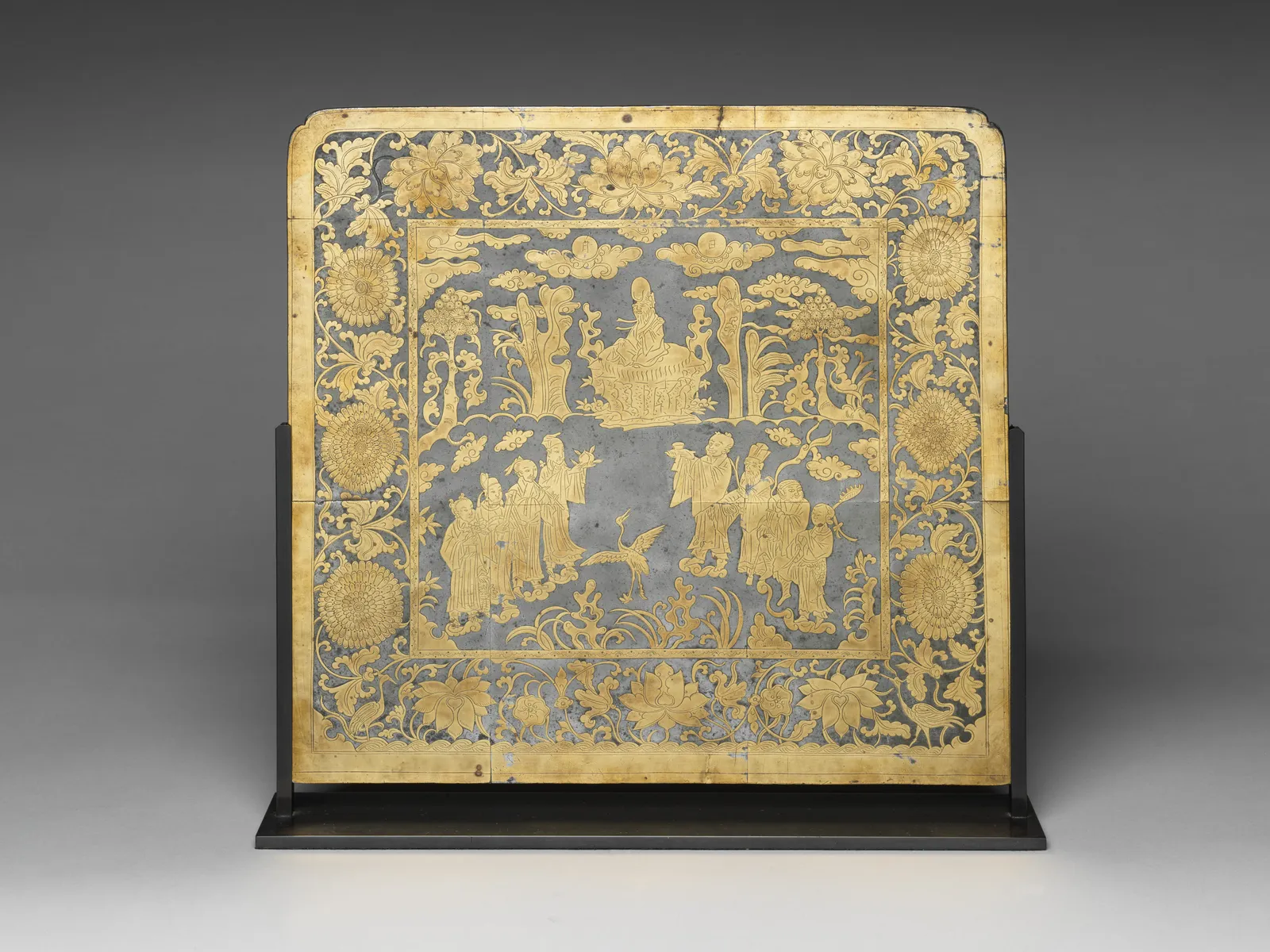
A compact decorative object that shows immortal imagery as part of scholar-table display culture.
China, 17th century · Pewter and brass · Source: The Met
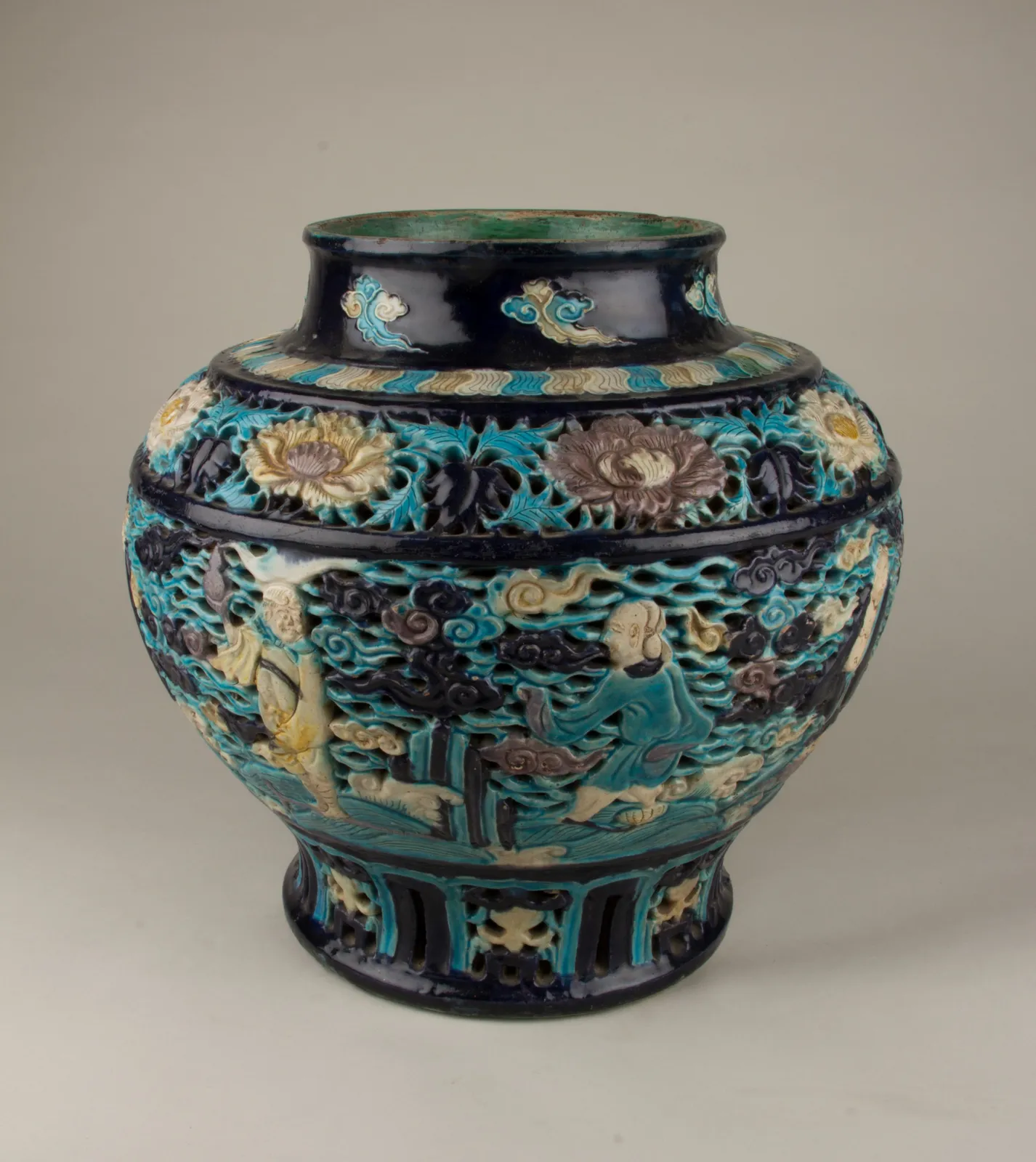
A vivid Ming-dynasty object for explaining how Eight Immortals imagery appears on ceramics.
China, 16th century · Fahua ware porcelain with relief decoration under colored glazes · Source: The Met
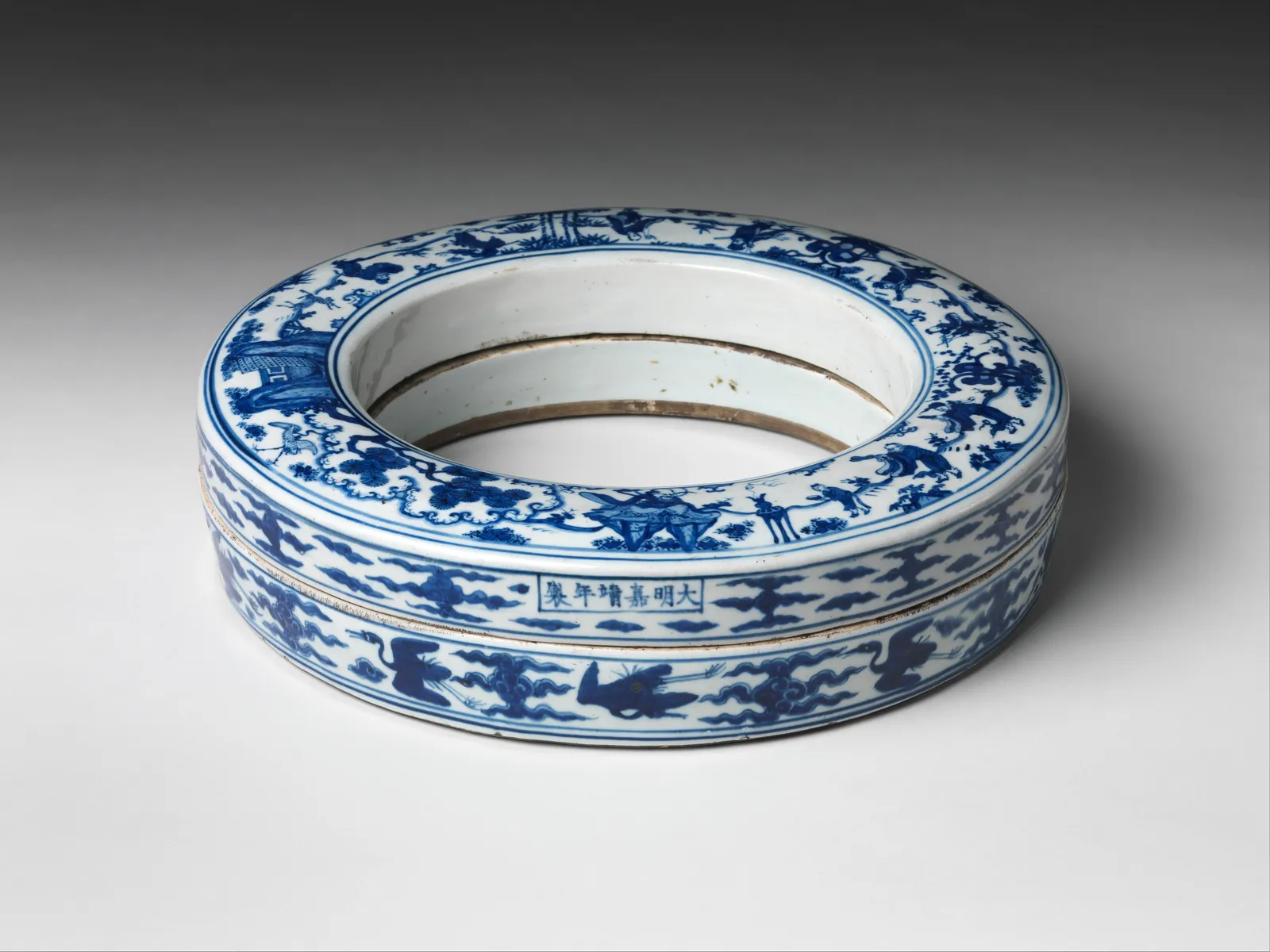
China, mid-16th century · Porcelain painted with cobalt blue under transparent glaze (Jingdezhen ware) · Source: The Met
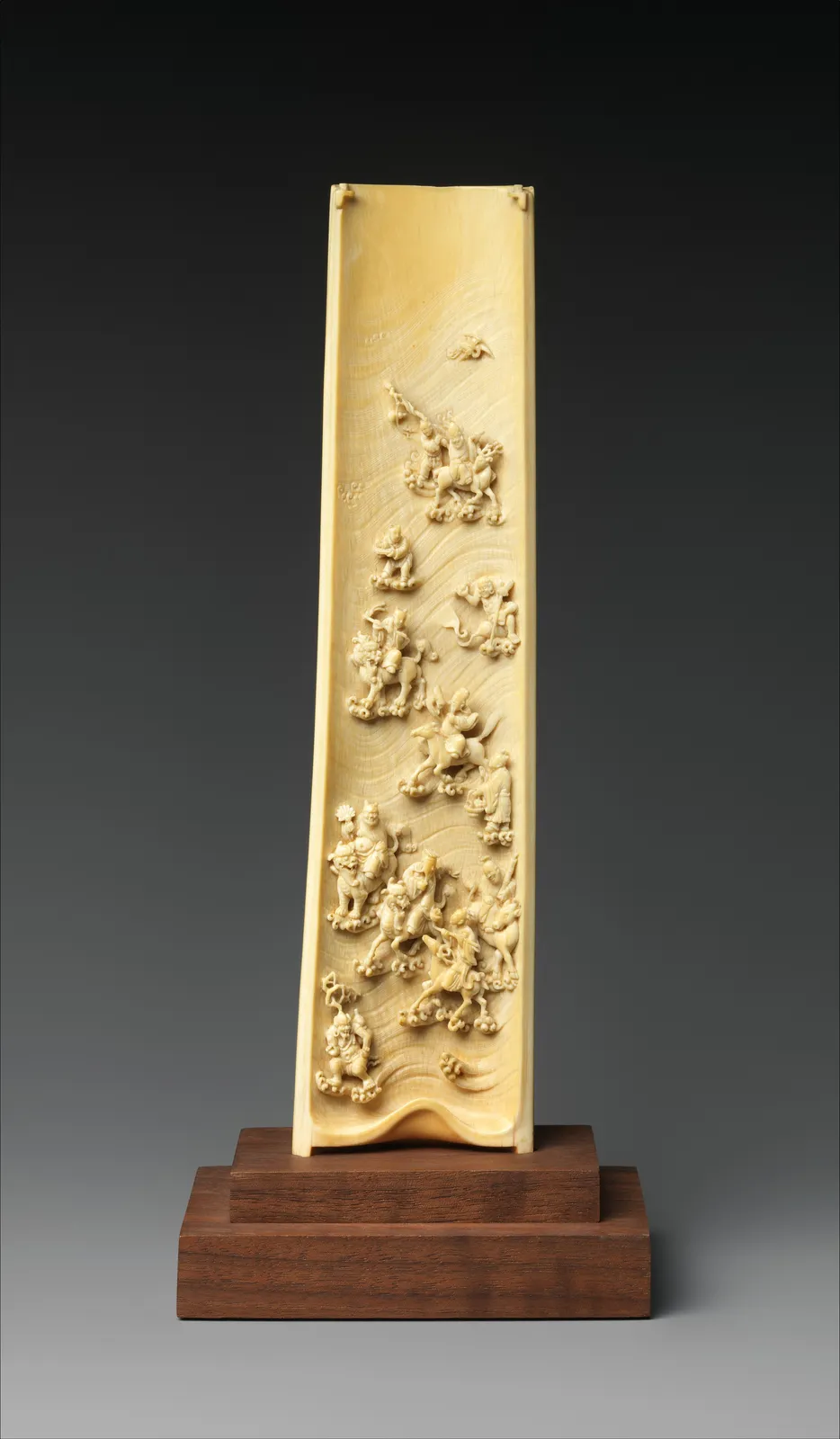
China, 18th century · Ivory · Source: The Met
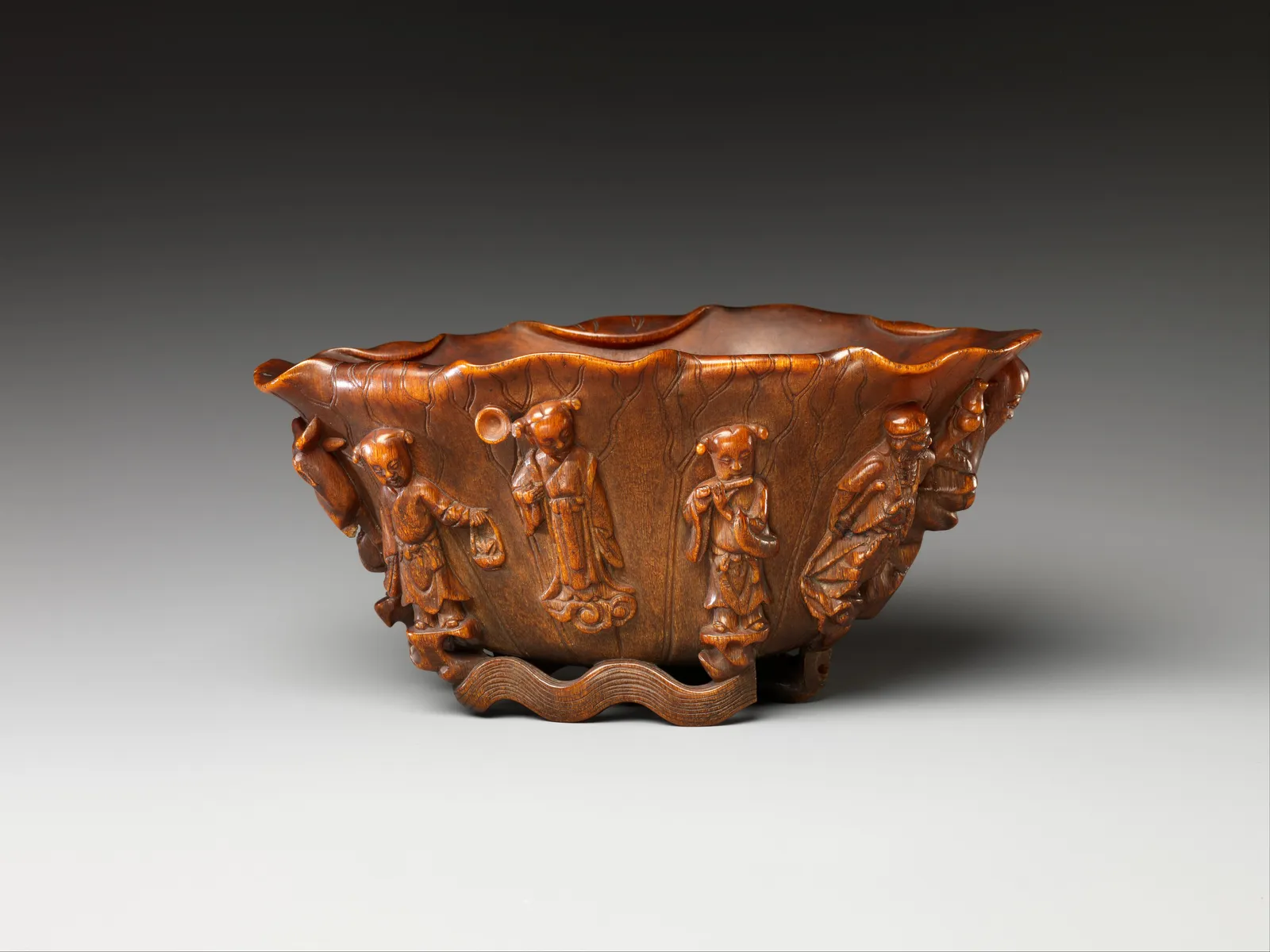
China, late 18th-19th century · Rhinoceros horn · Source: The Met
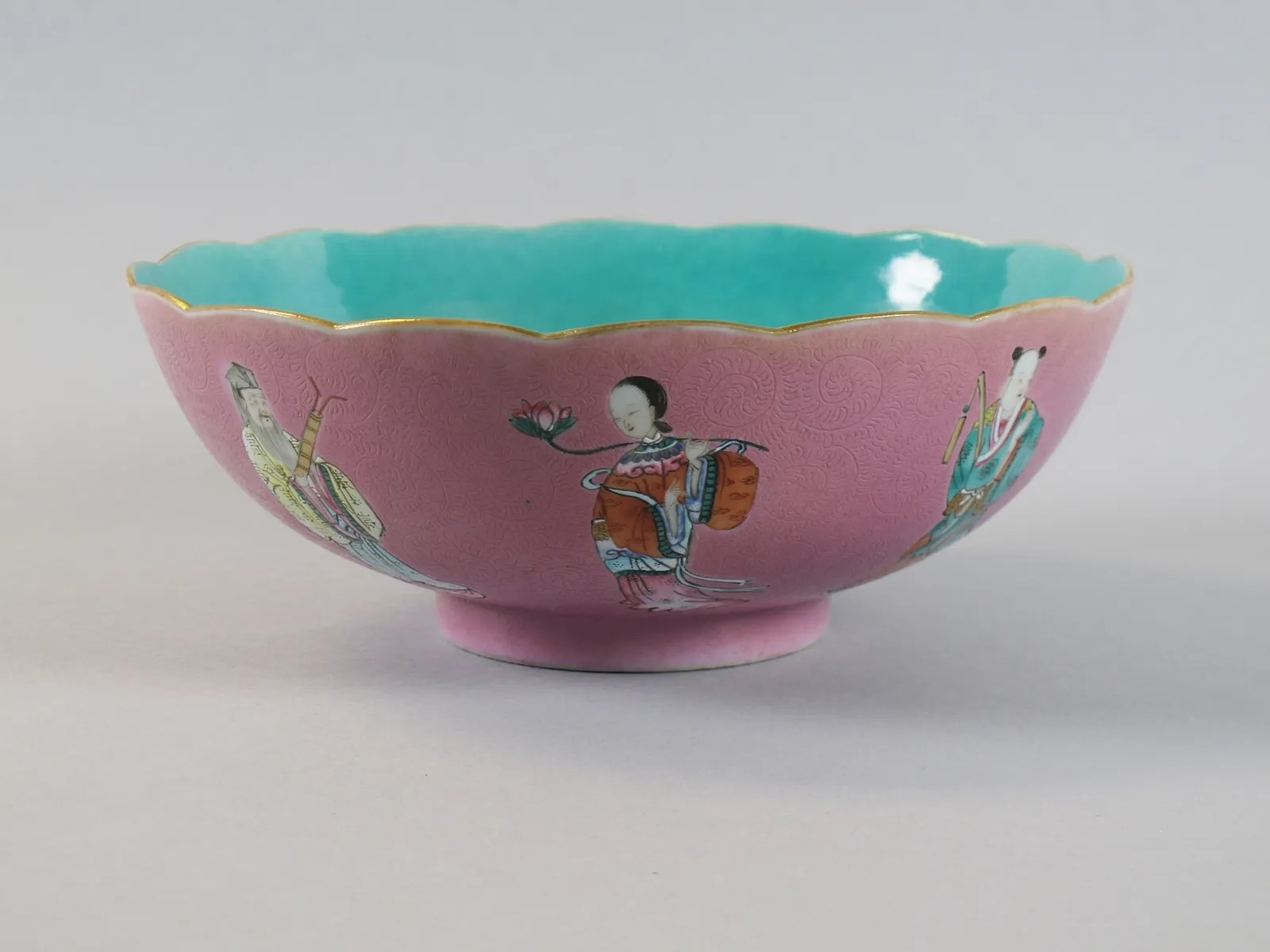
China, late 18th-early 19th century · Porcelain painted in overglaze polychrome enamels over engraved pink ground (Jingdezhen ware) · Source: The Met
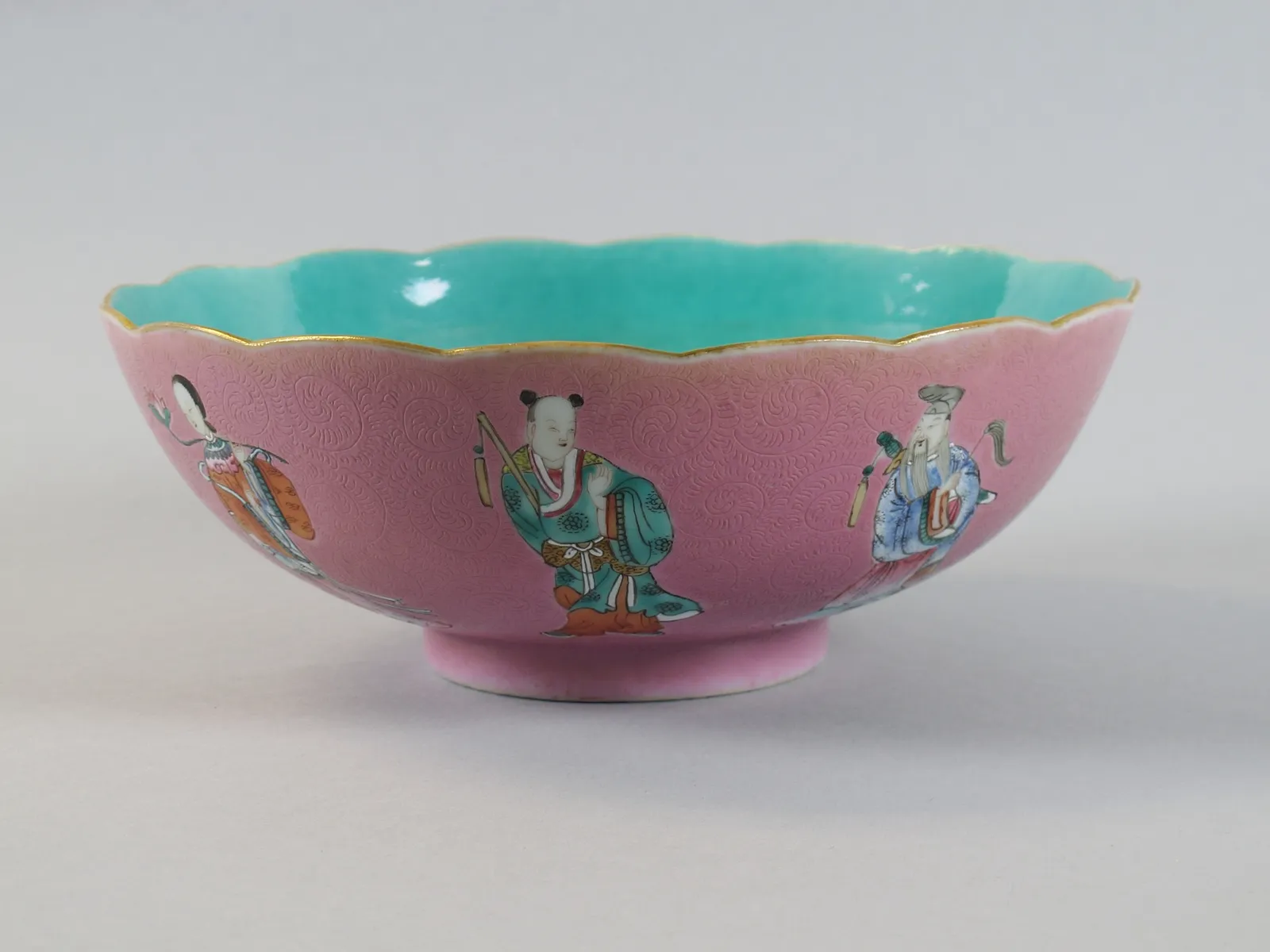
China, late 18th-early 19th century · Porcelain painted in overglaze polychrome enamels over engraved pink ground (Jingdezhen ware) · Source: The Met
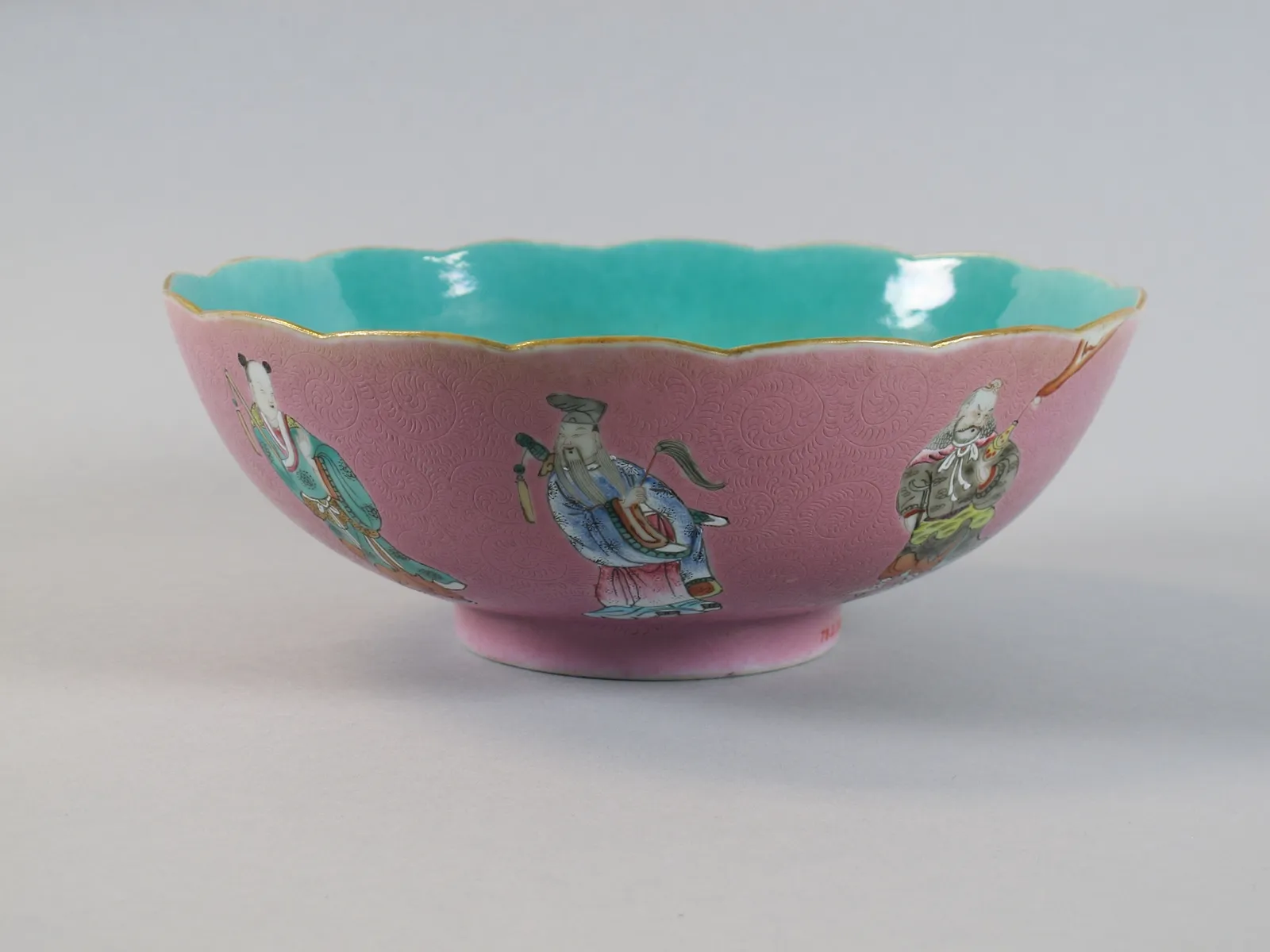
China, late 18th-early 19th century · Porcelain painted in overglaze polychrome enamels over engraved pink ground (Jingdezhen ware) · Source: The Met
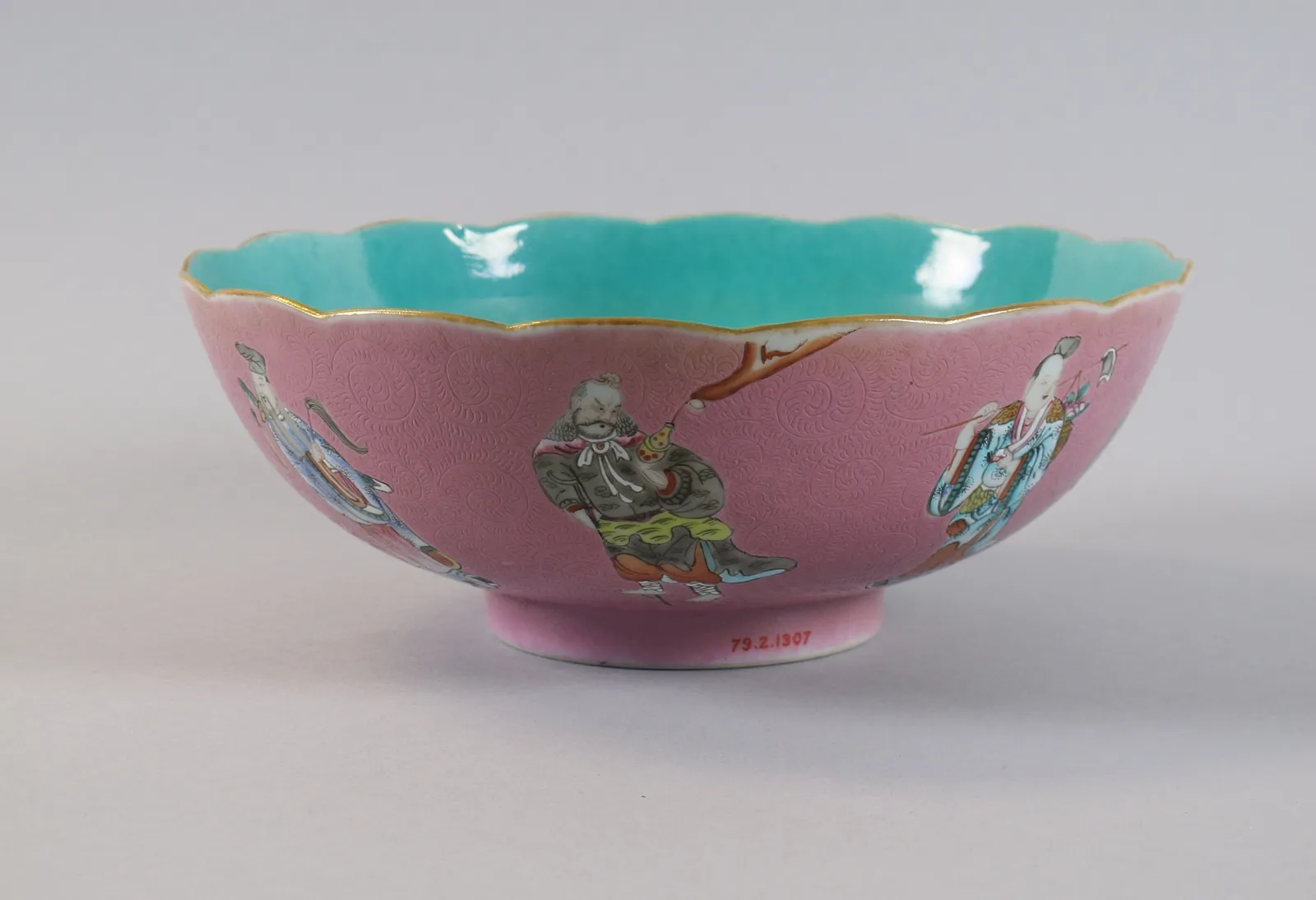
China, late 18th-early 19th century · Porcelain painted in overglaze polychrome enamels over engraved pink ground (Jingdezhen ware) · Source: The Met
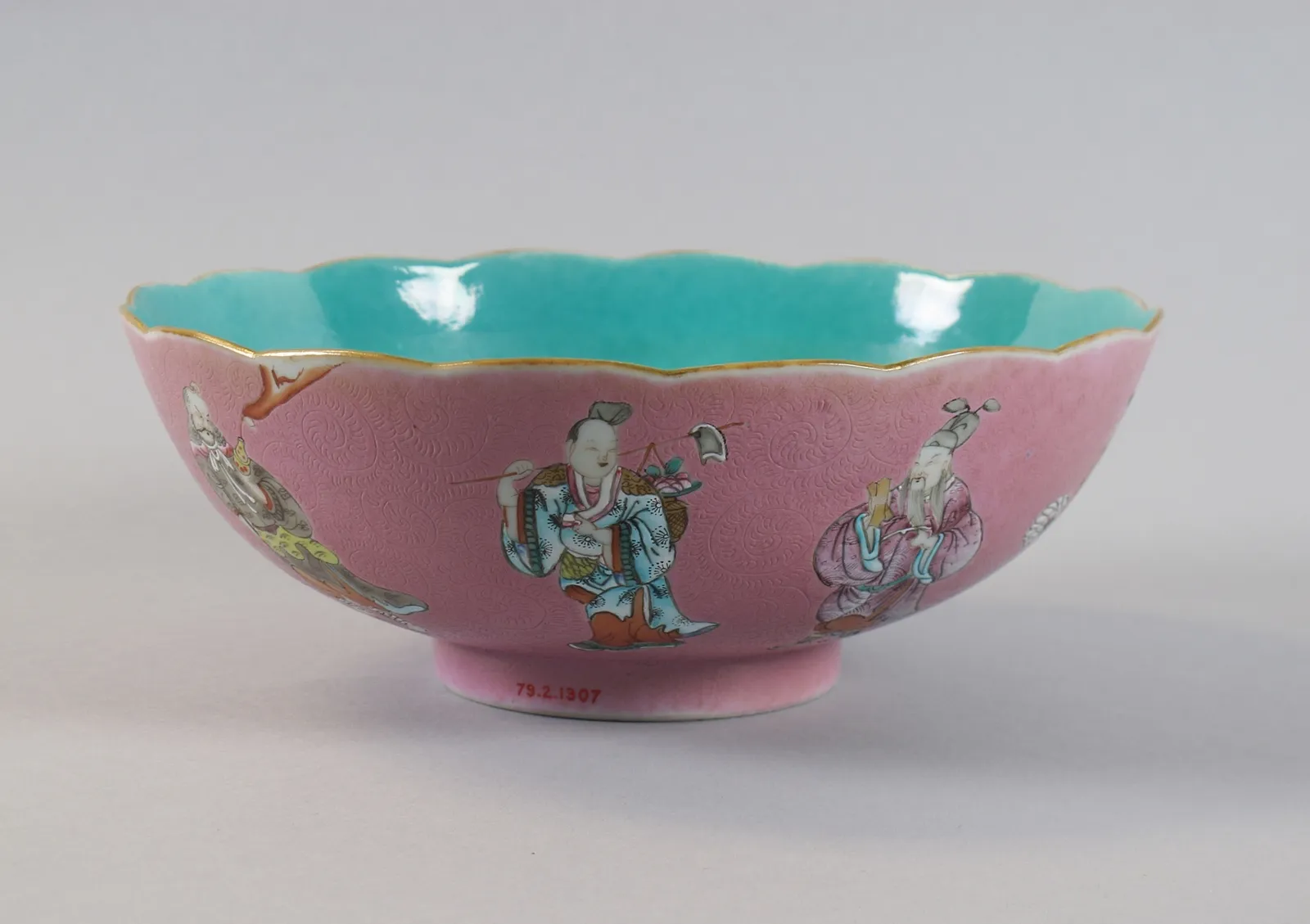
China, late 18th-early 19th century · Porcelain painted in overglaze polychrome enamels over engraved pink ground (Jingdezhen ware) · Source: The Met
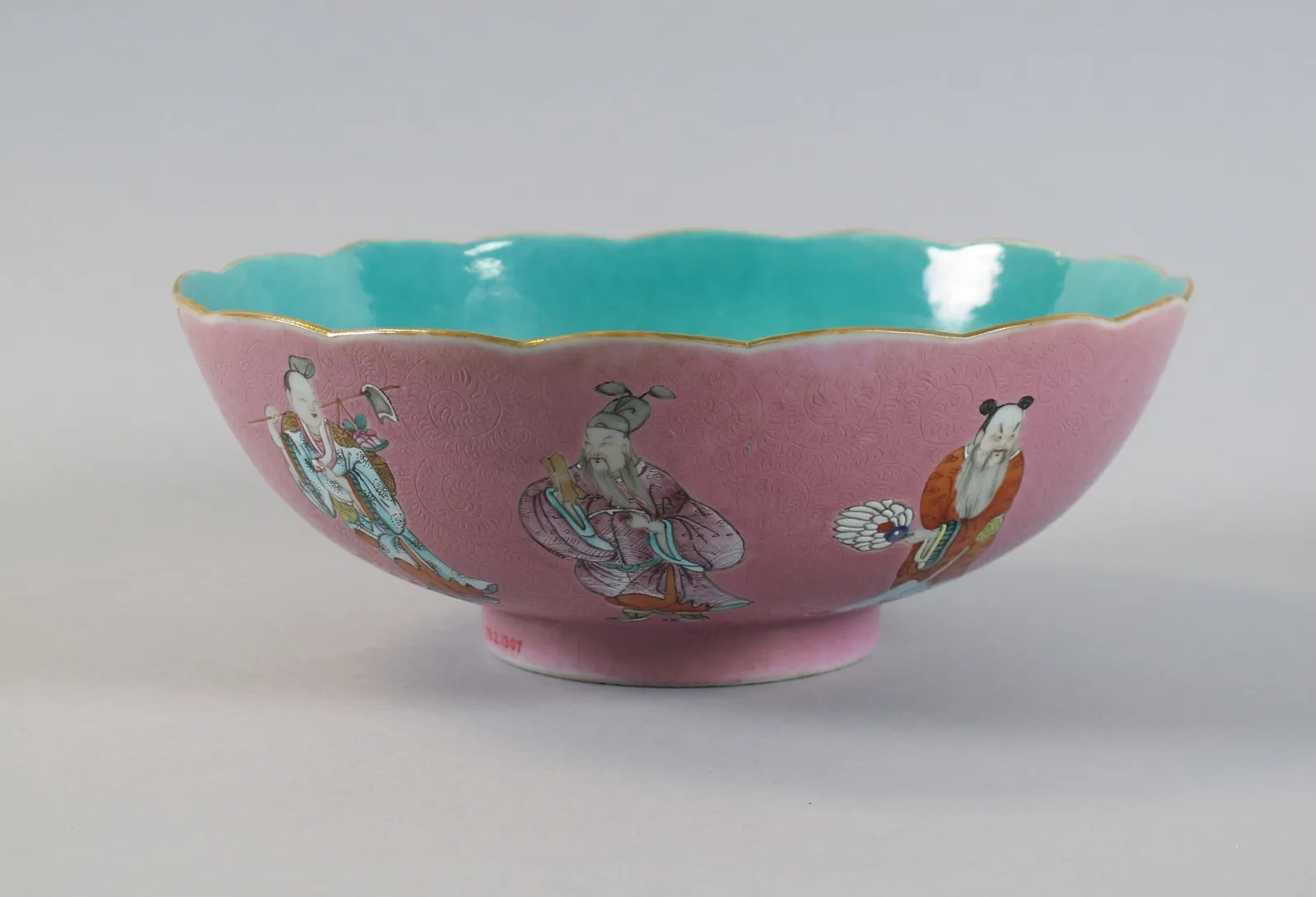
China, late 18th-early 19th century · Porcelain painted in overglaze polychrome enamels over engraved pink ground (Jingdezhen ware) · Source: The Met
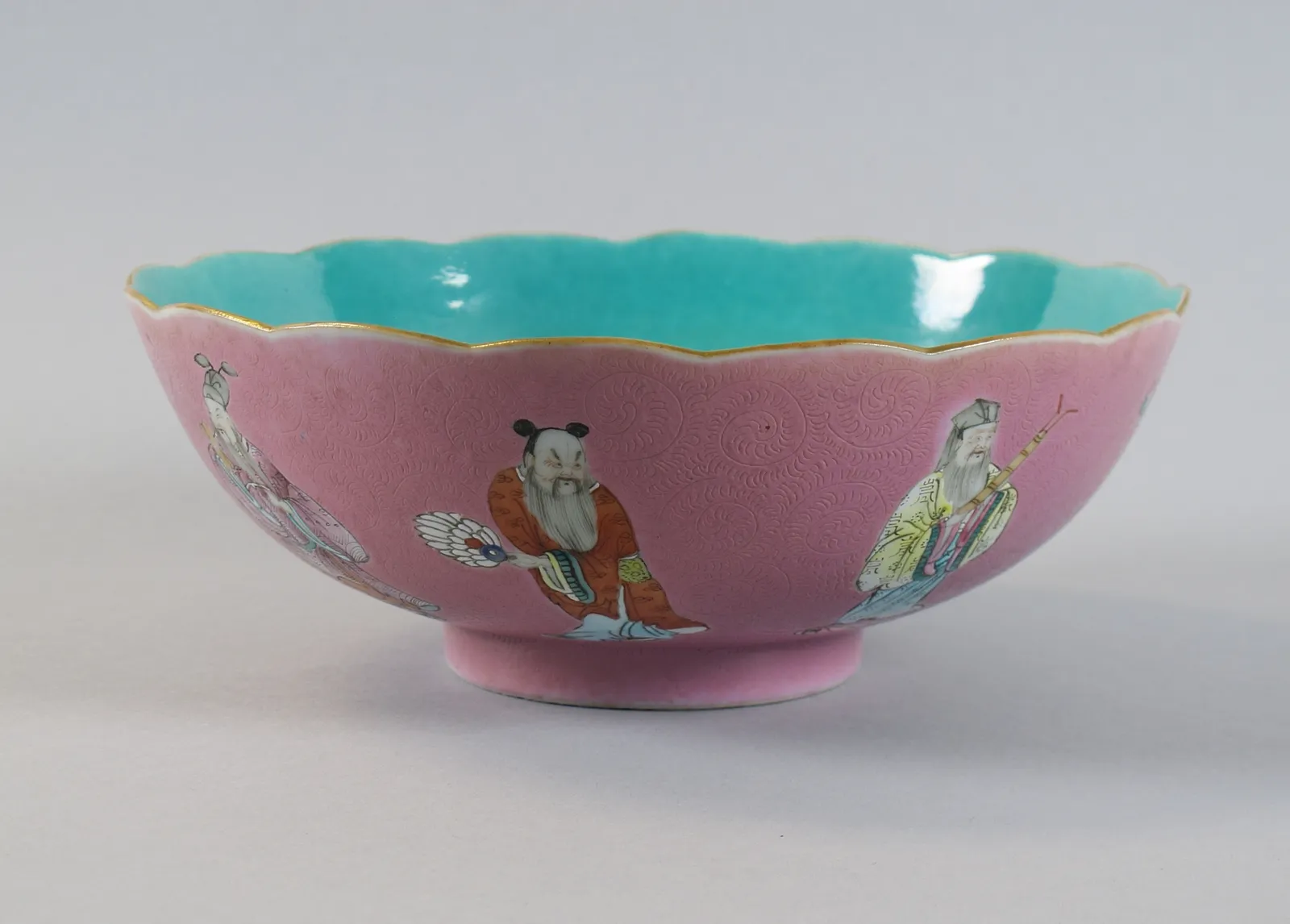
China, late 18th-early 19th century · Porcelain painted in overglaze polychrome enamels over engraved pink ground (Jingdezhen ware) · Source: The Met
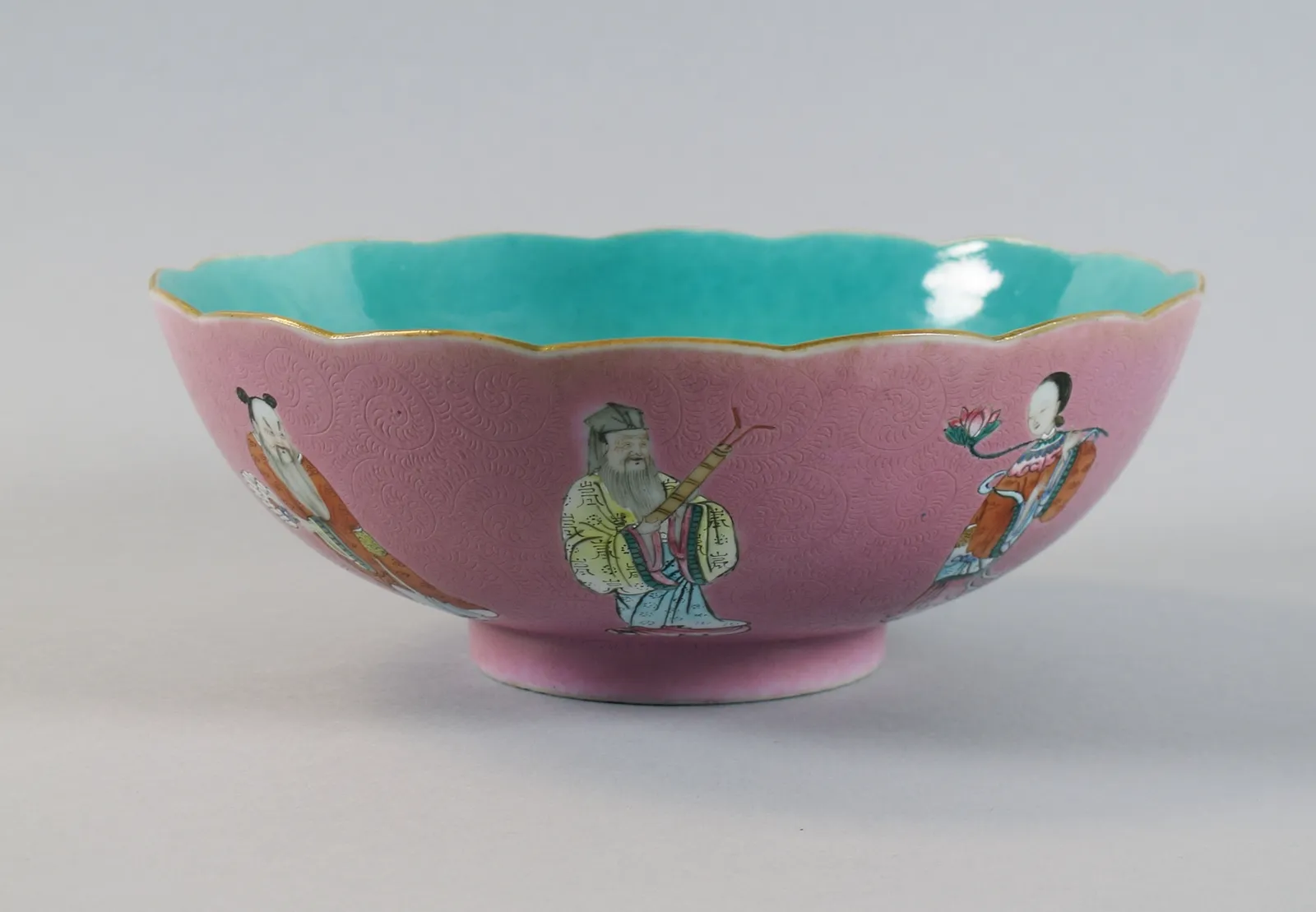
China, late 18th-early 19th century · Porcelain painted in overglaze polychrome enamels over engraved pink ground (Jingdezhen ware) · Source: The Met
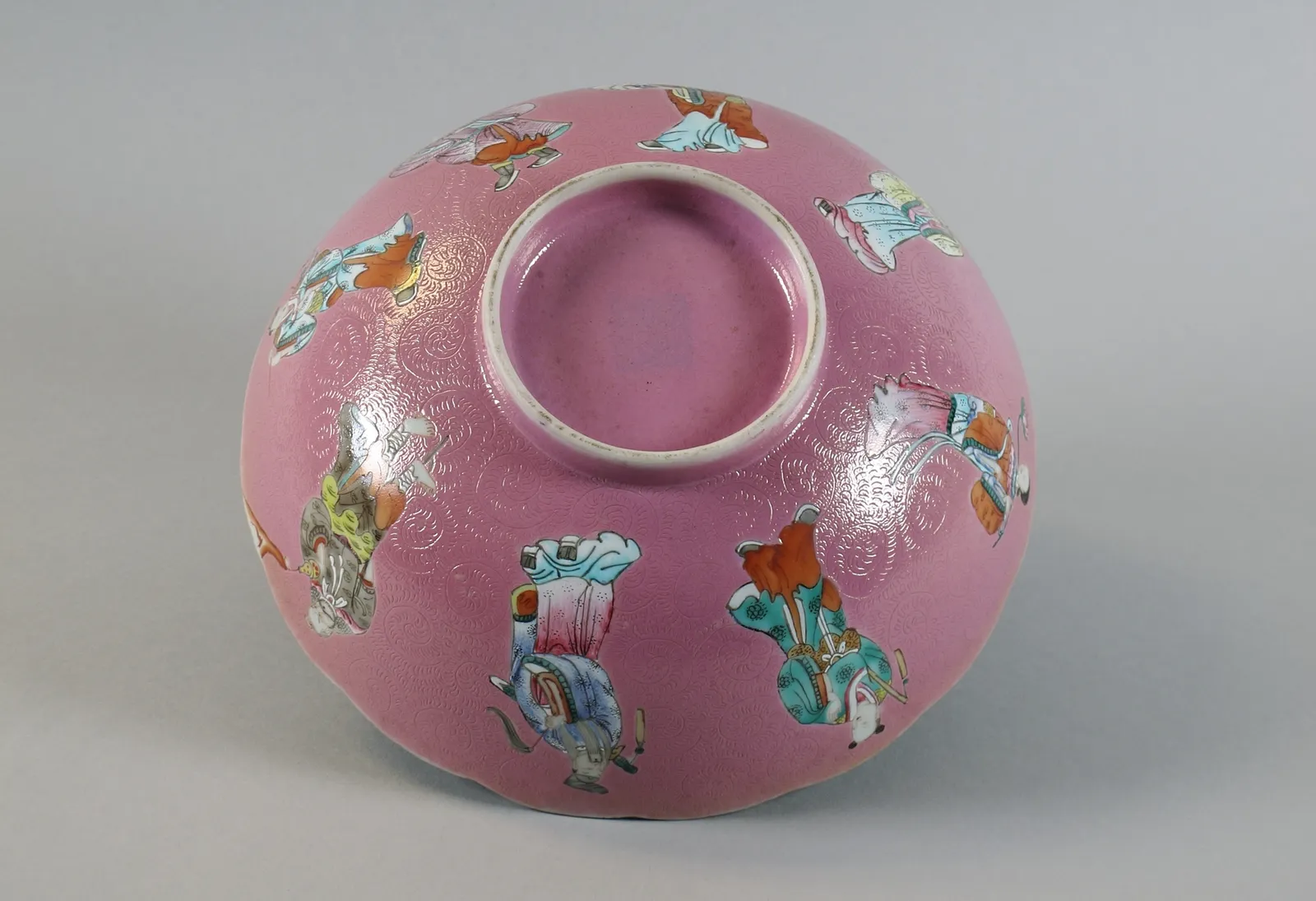
China, late 18th-early 19th century · Porcelain painted in overglaze polychrome enamels over engraved pink ground (Jingdezhen ware) · Source: The Met
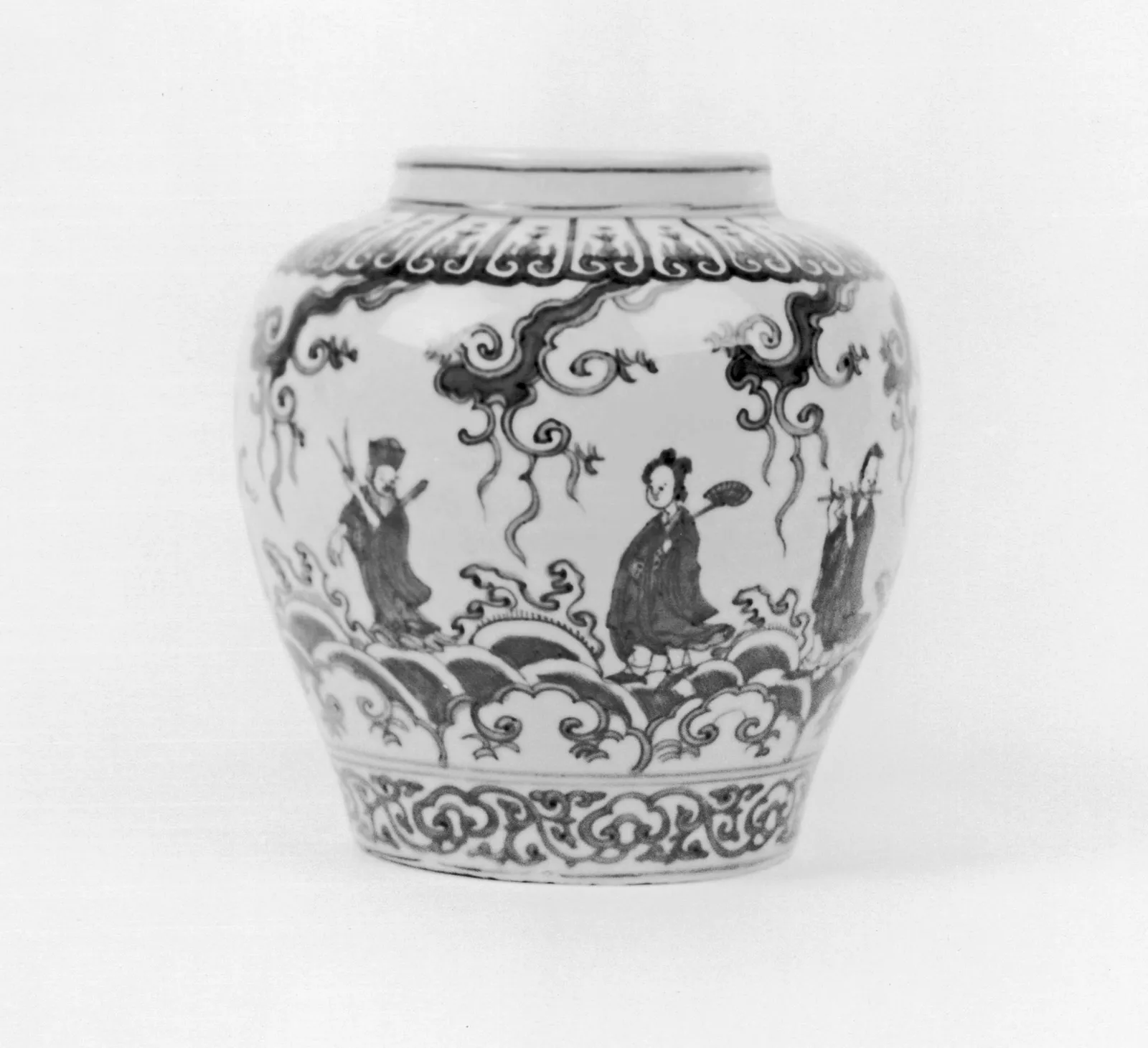
China, 1572-1619 · Blue and white porcelain jar depicting eight immortals crossing the sea · Source: Walters Art Museum via Wikimedia Commons
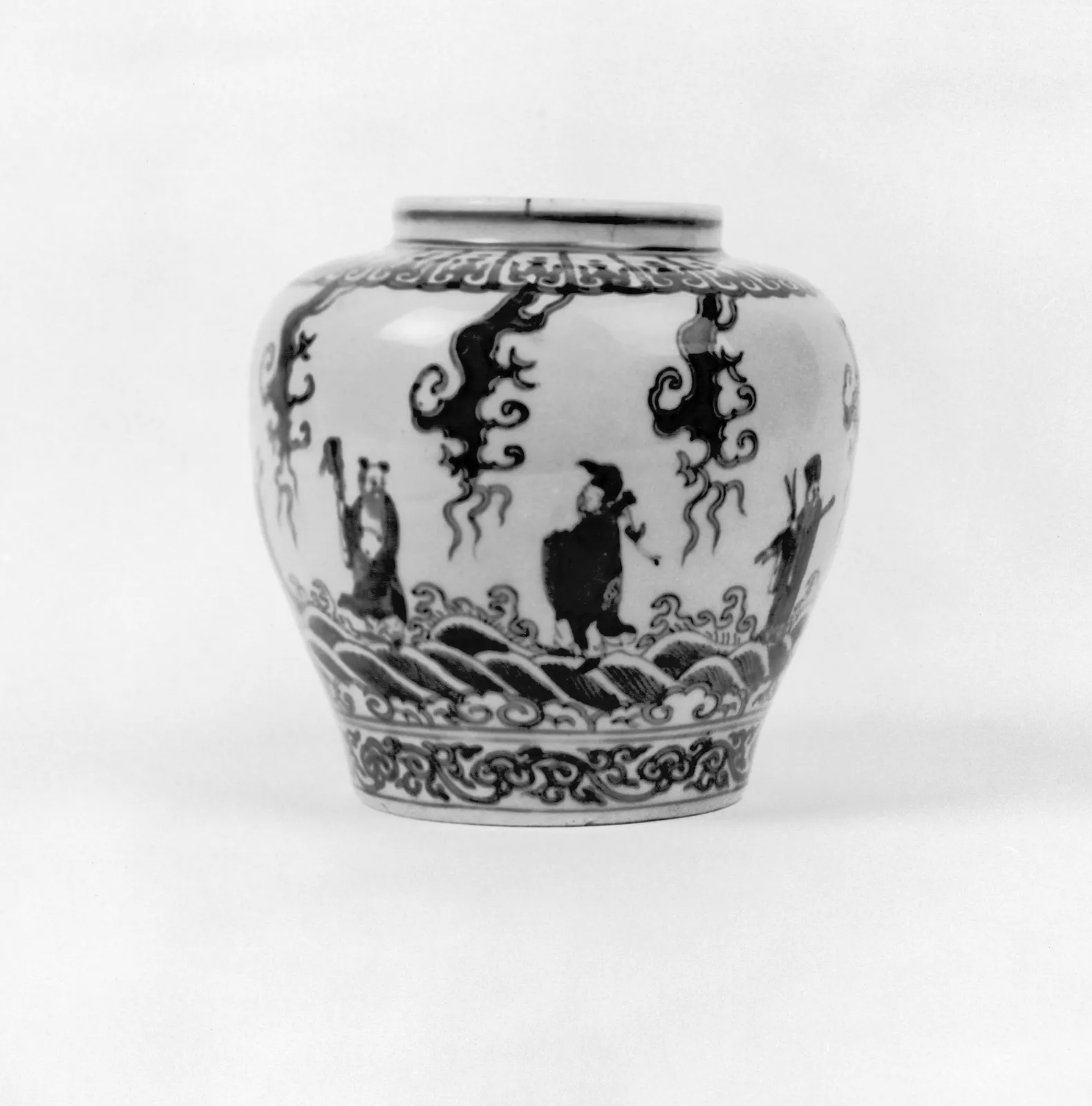
China, 1573-1619 · Blue and white porcelain jar depicting eight immortals crossing the sea · Source: Walters Art Museum via Wikimedia Commons
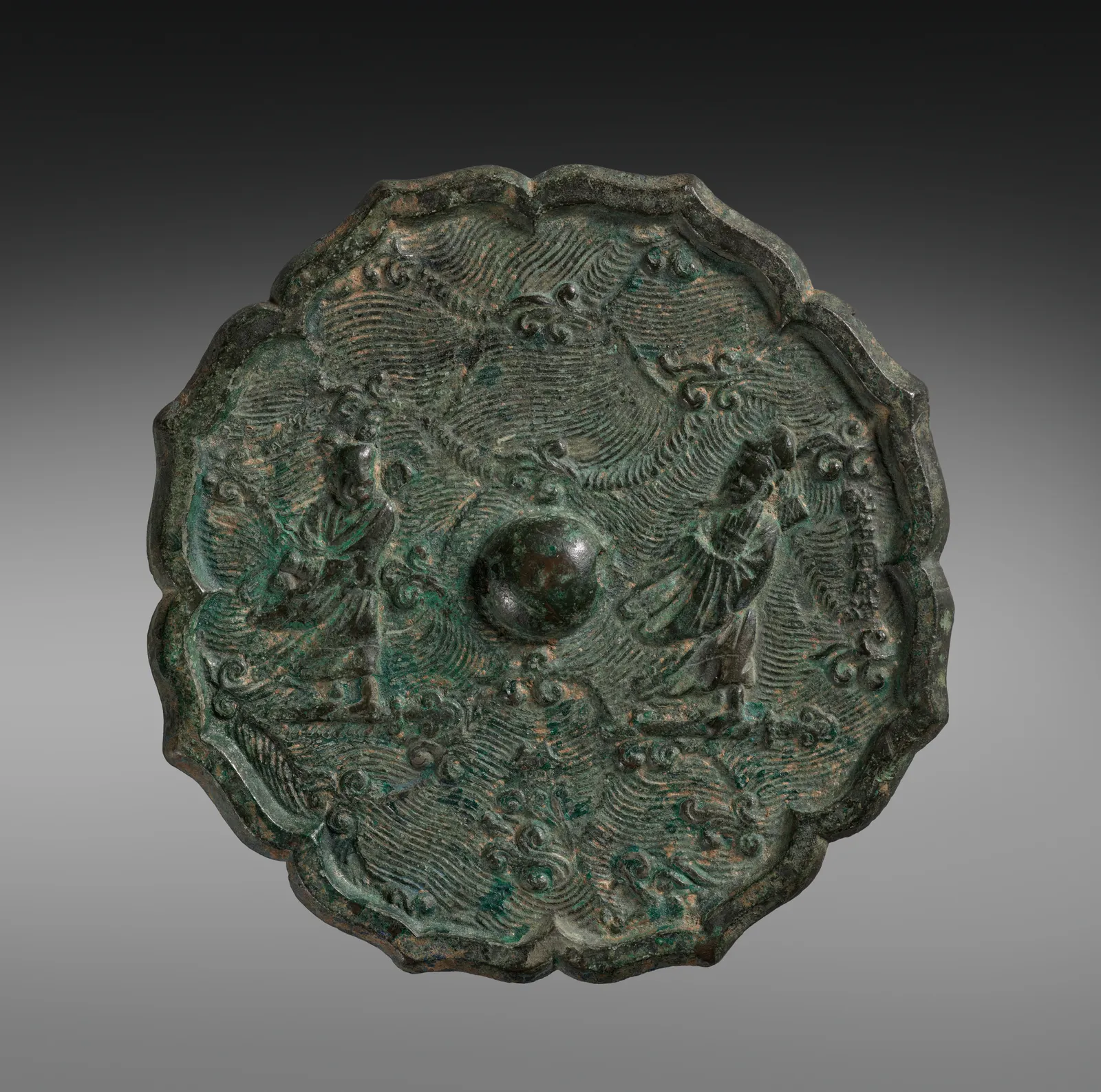
A useful early object for connecting the famous crossing-the-ocean motif to material culture.
China, mid-900s-late 1200s · Bronze mirror · Source: Cleveland Museum of Art
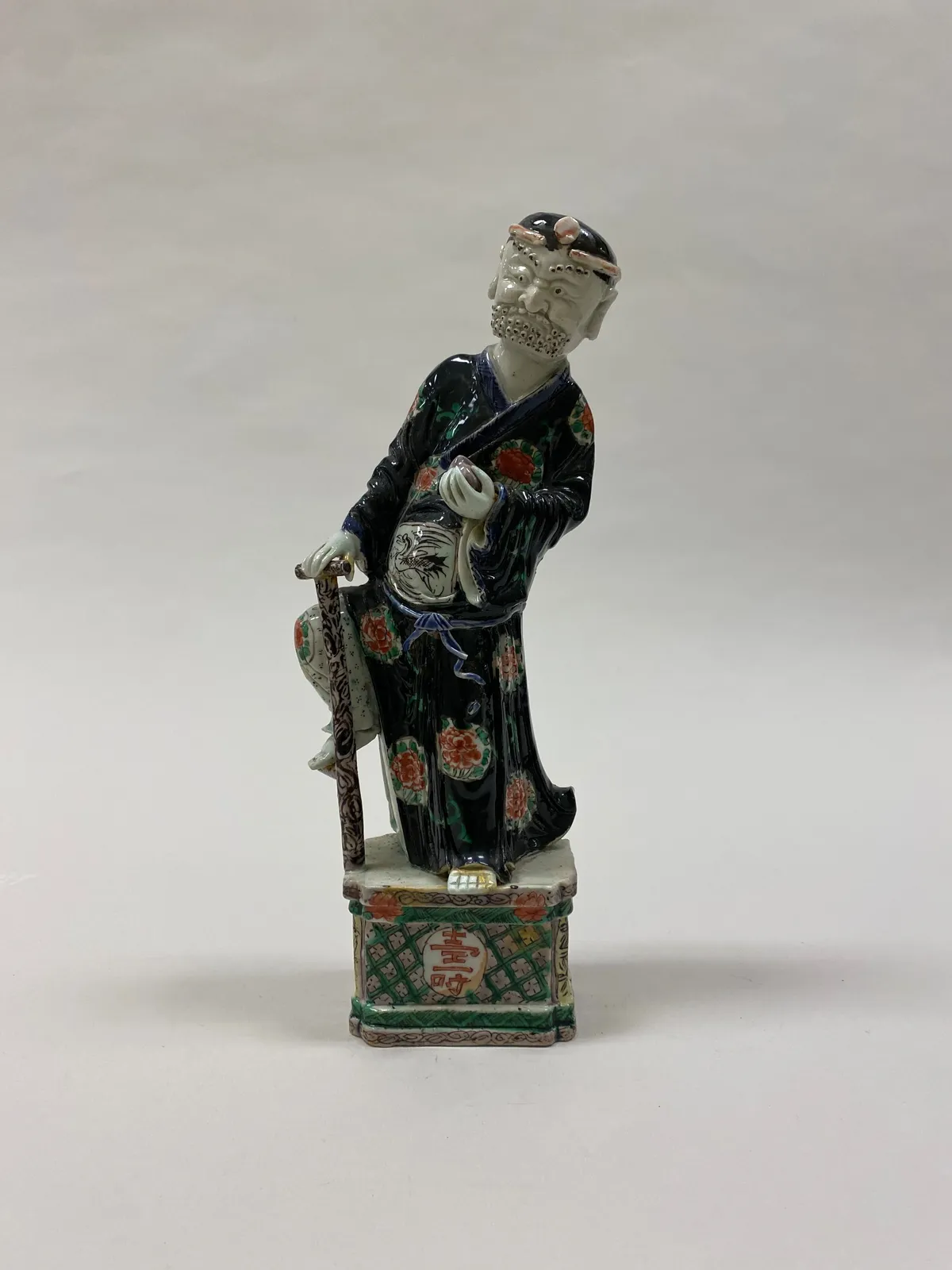
A direct visual companion for Li Tieguai's crutch, medicine gourd, and healer imagery.
China, 19th century · Biscuit with polychrome enamels, Jingdezhen ware · Source: The Met
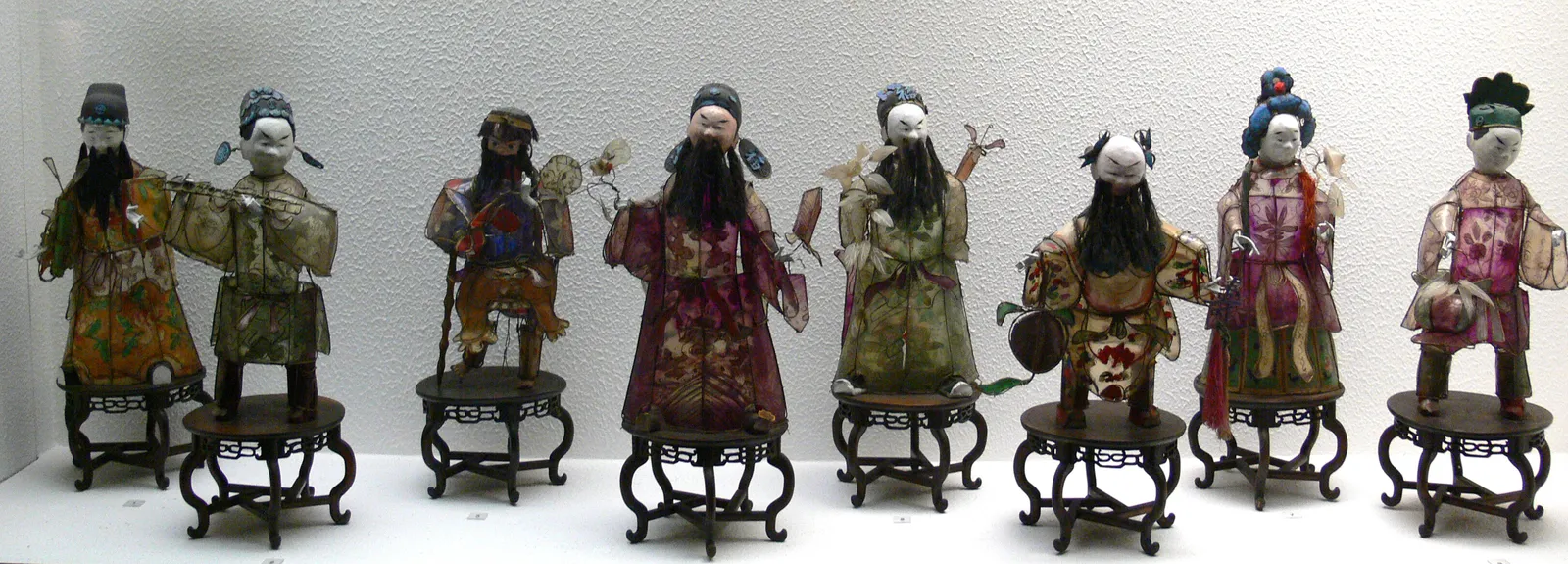
A folk and festival-oriented counterpoint to museum painting and ceramic examples.
China, Qing dynasty, 19th century · Buffalo horn, colored and painted · Source: Wikimedia Commons / Ethnological Museum, Berlin
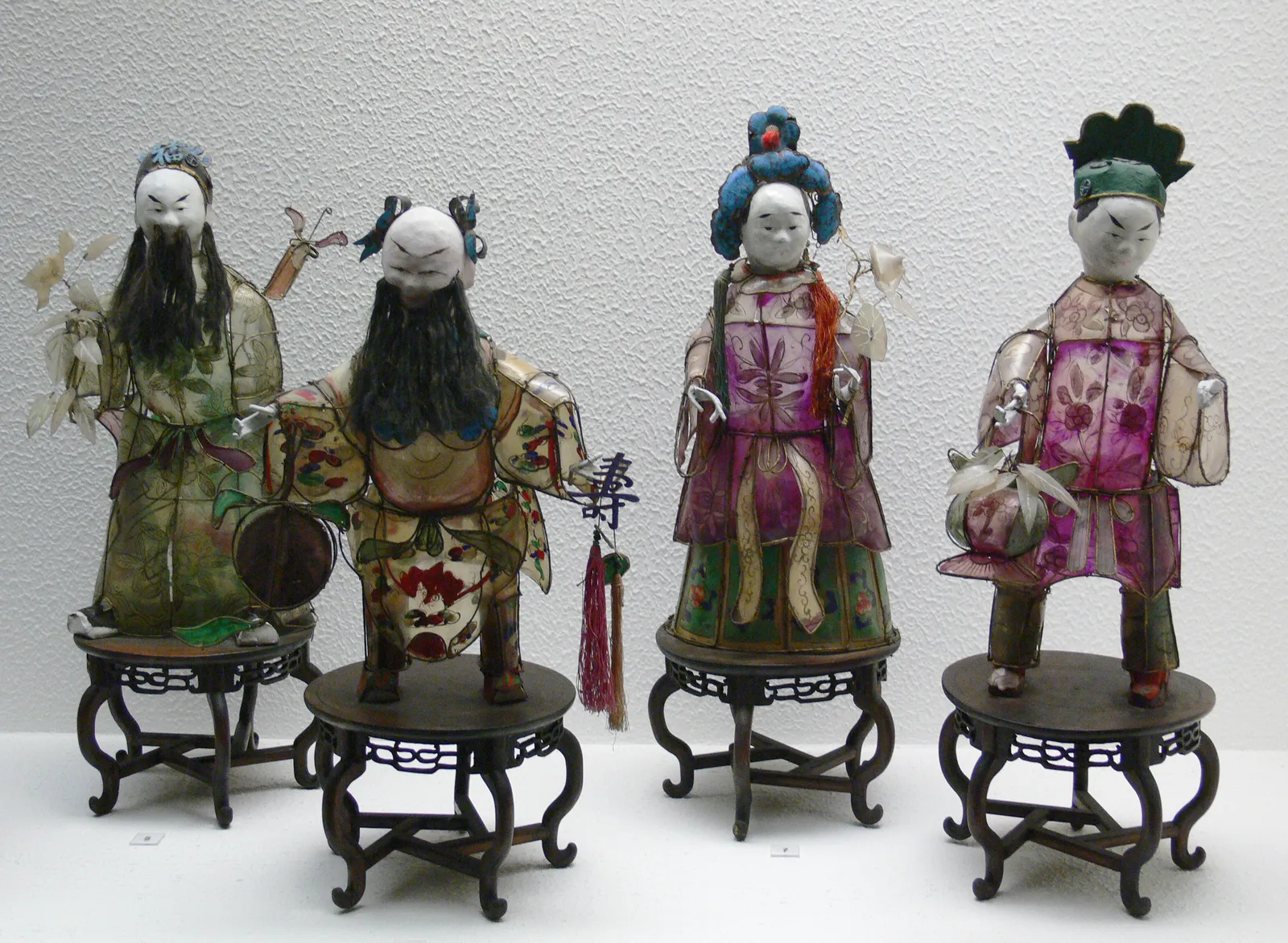
China, Qing dynasty, 19th century · Buffalo horn, colored and painted · Source: Wikimedia Commons / Ethnological Museum, Berlin
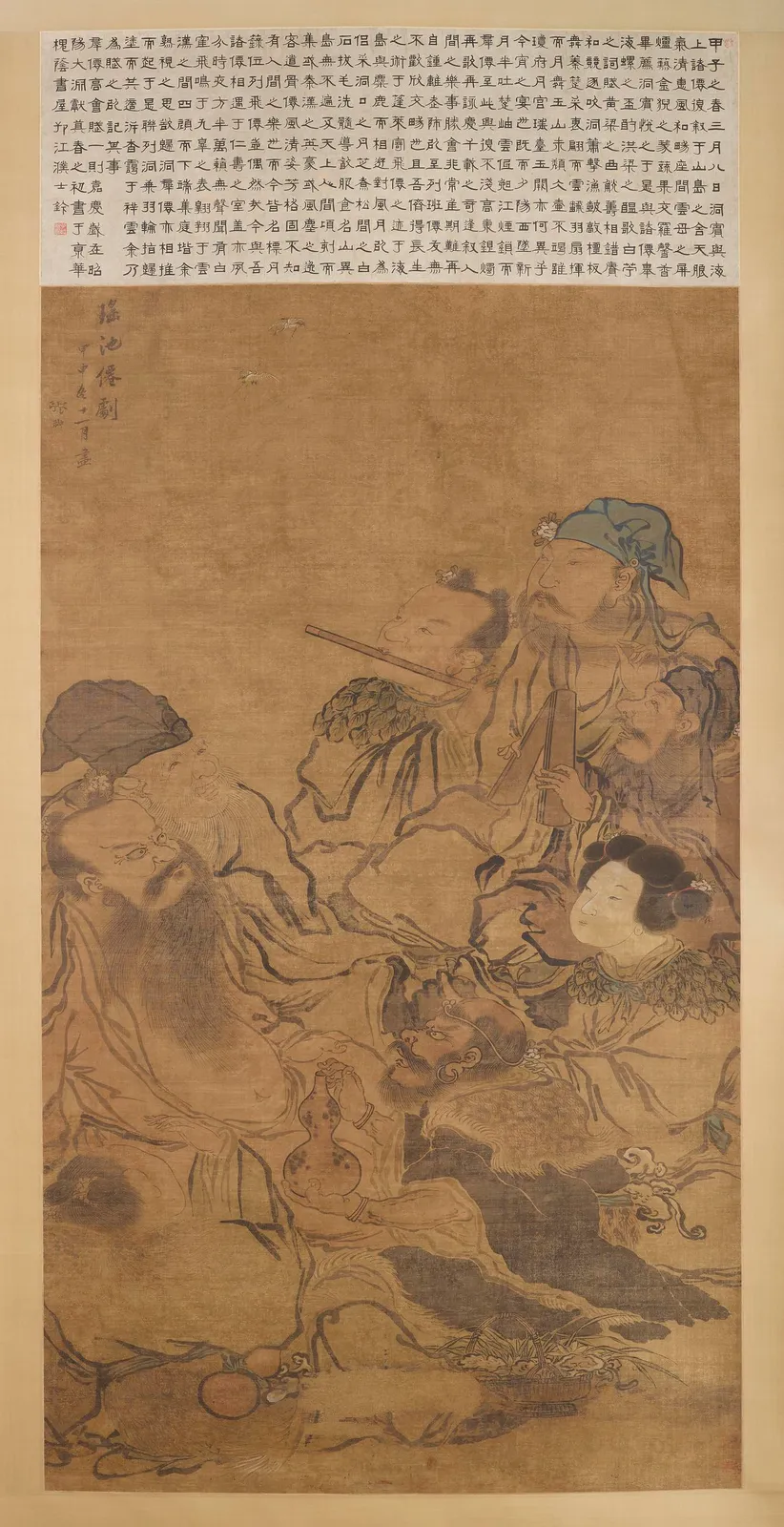
China, Ming dynasty, 1644 · Hanging scroll; ink and colour on silk, by Zhang Chong · Source: British Museum via Wikimedia Commons
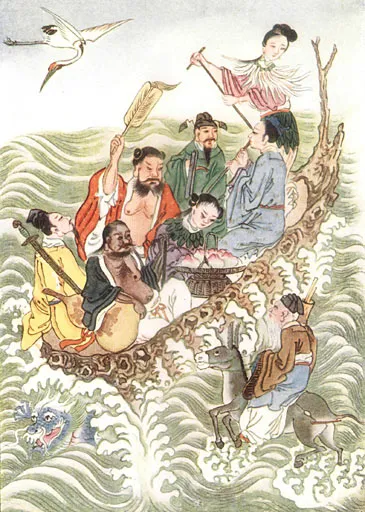
Illustration, 1922 · Book plate from E.T.C. Werner's Myths and Legends of China · Source: Project Gutenberg via Wikimedia Commons
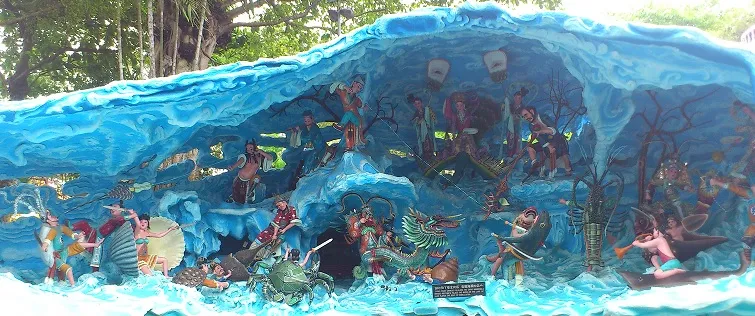
Singapore, photographed 2014 · Diorama of the Eight Immortals battling the Dragon King, Haw Par Villa park · Source: Wikimedia Commons